
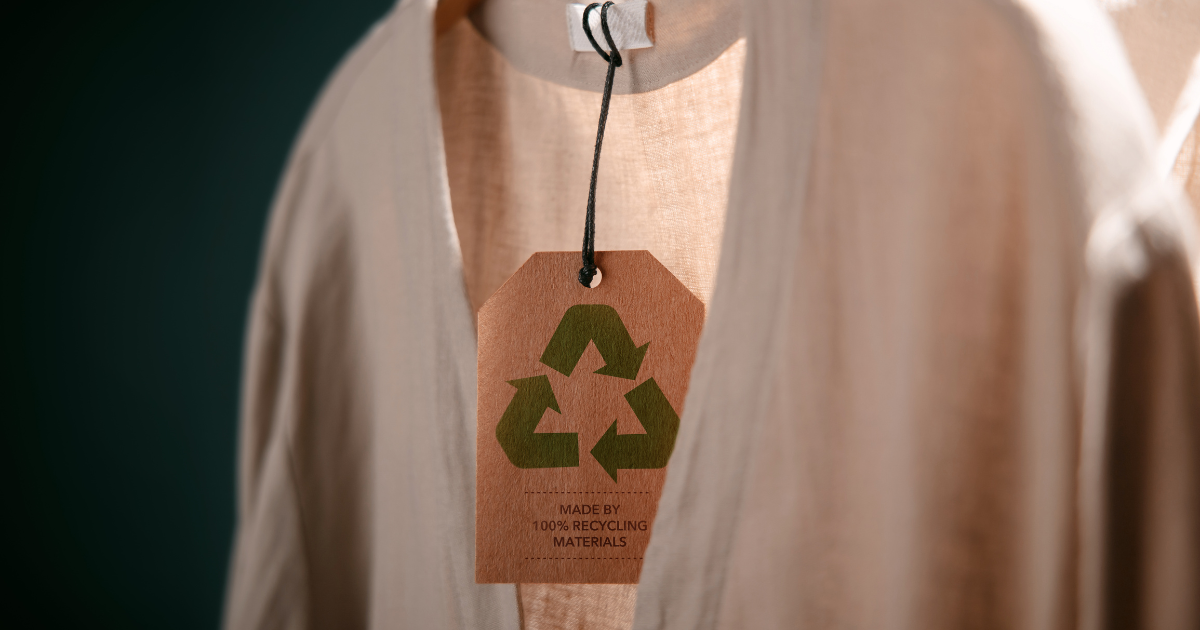
As sustainability shifts from a arketing message to a global requirement, sustainable textiles are redefining the fashion and textile industries. Leading brands are no longer focused solely on aesthetics or hand-feel; they are actively selecting partners who can reduce carbon emissions, enhance supply chain transparency, and support long-term ESG goals.
As a result, expectations have fundamentally changed.Brands now require both high-performing fabrics and clear proof of responsible production.
For textile manufacturers, this shift presents both a challenge and an opportunity. Mills that adopt innovative, low-impact technologies are increasingly becoming the preferred partners for forward-thinking brands committed to transparency, circularity, and reduced environmental impact.
Innovation is no longer optional—it is what separates truly sustainable textiles from traditional ones.
What Are Sustainable Textiles?
Sustainable textiles are fabrics produced using processes that minimize environmental impact across their entire life cycle—from raw material sourcing and manufacturing to use and end-of-life management.
Beyond environmental performance, sustainable textiles also emphasize traceability, accountability, and system-level efficiency. This means understanding not only where materials come from, but how energy, water, and chemicals are managed at every stage of production.
Key characteristics of sustainable textiles include:
In practice, sustainable textiles are measured not by a single attribute, but by continuous improvement over time. Manufacturers assess performance using tools such as Life Cycle Assessment (LCA), energy audits, and sustainability benchmarks to identify meaningful reductions in environmental impact.
Unlike conventional fabrics, sustainable textiles prioritize long-term resource efficiency, risk reduction, and alignment with global sustainability standards, creating value not only for the environment, but also for brands seeking resilient and future-ready supply chains.

Why Carbon Footprint Is a Critical Issue in Textile Manufacturing
The textile industry is one of the most resource- and energy-intensive sectors globally, and its carbon footprint extends across every stage of the production chain. Carbon emissions arise from:
Among these stages, energy consumption and wet processing—especially dyeing and finishing—are consistently identified as the largest contributors to a fabric’s environmental impact. Heating water, running high-temperature dyeing machines, and managing wastewater treatment all require substantial energy input, which directly increases CO₂ emissions.
Climate regulations, investor expectations, and global brand commitments have made carbon reduction a business necessity rather than a voluntary effort. Leading international brands now require textile suppliers to:
This shift means carbon performance is no longer just an environmental metric—it is a key factor influencing purchasing decisions, long-term partnerships, and supplier competitiveness. Mills that can prove lower emissions and higher efficiency gain a clear advantage in the global market.

Key Innovations Driving Sustainable Textiles
1. Low-Impact and Waterless Dyeing Technologies
Traditional dyeing requires significant amounts of water, heat, and chemical inputs, making it one of the highest-emission stages in textile manufacturing. Today, a range of new technologies is transforming this process:
Beyond environmental benefits, these technologies enhance batch consistency, color reproducibility, and lead-time efficiency—core priorities for global brands seeking stable quality across large production runs.
2. Renewable Energy in Textile Mills
Energy sourcing has a direct and substantial impact on a fabric’s carbon footprint. As brands push for decarbonized supply chains, many textile mills are transitioning toward renewable energy systems:
Switching to renewable energy reduces Scope 1 and Scope 2 emissions, helping mills align with global climate commitments and meet the expectations of sustainability-driven brand partners.
3. Recycled and Bio-Based Fibers
Material choice is a foundational driver of sustainable textiles. More mills and brands are adopting lower-carbon fiber alternatives, including:
To substantiate environmental claims, brands increasingly rely on Life Cycle Assessment (LCA) to quantify upstream carbon reductions, validate supplier data, and support transparent material sourcing decisions.
4. Circular and Closed-Loop Textile Systems
Circularity is becoming a core pillar of sustainable textile development. Unlike the traditional “take–make–dispose” model, circular systems aim to retain material value for as long as possible.
Key strategies include:
Circular practices reduce landfill waste, lower carbon emissions across the product life cycle, and support the emerging shift toward regenerative textile manufacturing.
5. Green Chemistry and Process Optimization
Chemical innovation plays a critical role in advancing sustainable textile production. Many mills are adopting strategies that minimize environmental risk while maintaining product performance:
Process optimization not only improves environmental outcomes but also helps manufacturers meet stricter compliance requirements and strengthen brand trust.

What Brands Look for in Sustainable Textile Suppliers
From a brand perspective, selecting a sustainable textile supplier requires evaluating both performance and credibility. Beyond fabric aesthetics and pricing, brands assess whether a manufacturing partner can support their long-term sustainability and compliance goals.
Key factors brands look for include:
In a highly competitive global market, textile manufacturers that successfully align sustainability with operational excellence are best positioned to become trusted, long-term partners for leading international brands.
The Future of Sustainable Textiles
Sustainable textiles are rapidly evolving from a competitive advantage to an industry expectation. As regulatory frameworks tighten and brand sustainability commitments become more ambitious, the future of textile manufacturing will be shaped by carbon accountability, circular design, and digital transparency.
Looking ahead, the industry is expected to see:
Textile manufacturers that invest early in sustainable textiles are not only reducing environmental impact—they are building future-ready supply chains that can adapt to regulatory change, market demands, and long-term industry transformation.