
Why Choose Our UV Fabric?Advanced UV Shielding, Instant Cooling, and Rapid-Dry Excellence for Modern Apparel Brands.

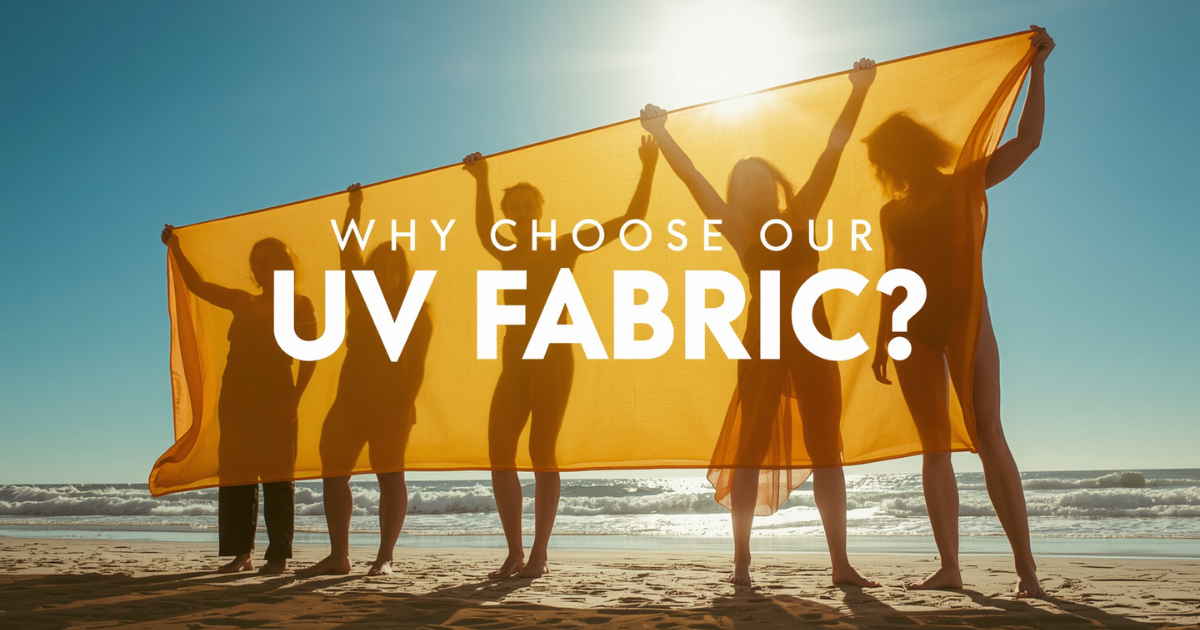
Why Choose Our UV Fabric?Advanced UV Shielding, Instant Cooling, and Rapid-Dry Excellence for Modern Apparel Brands.

Today’s consumers expect more than style — they want apparel with comfort, breathability, UV protection, and performance. As demand grows for sportswear, outdoor apparel, golf wear, and athleisure, functional fabrics like UV protection, cooling, and quick-dry textiles have become essential.

As a professional textile manufacturer, we develop advanced functional fabrics that combine UV protection, cooling comfort, breathability, and quick-dry performance to help apparel brands deliver reliable quality and all-day comfort.

Why Choose Our UV Fabric?Advanced UV Shielding, Instant Cooling, and Rapid-Dry Excellence for Modern Apparel Brands.

What Is UV Fabric?

UV fabric refers to textiles specifically engineered to block or reduce the penetration of harmful ultraviolet (UV) rays. Unlike ordinary fabrics, UV protection fabrics are developed using specialized yarn structures, fabric density, dyeing techniques, and finishing technologies that improve sun protection performance.

The effectiveness of UV fabric is commonly measured using a UPF rating.

Understanding UPF Ratings

UPF stands for Ultraviolet Protection Factor. It measures how much UV radiation can penetrate the fabric.

For example:

A UPF 50+ fabric blocks approximately 98% of harmful UV rays, making it ideal for outdoor environments and prolonged sun exposure.

Today, UV protection is becoming increasingly important in industries such as:

As consumers become more aware of sun protection and skin health, brands are prioritizing UV fabric in their product development strategies.

Why Functional Fabrics Matter in Modern Apparel

Modern consumers expect more from clothing than basic appearance. Performance fabrics have become a major trend in the textile industry because they improve comfort, convenience, and functionality in daily life.

Functional textiles such as cooling fabric and quick dry fabric are especially popular in hot climates, active lifestyles, and outdoor environments.

Consumers now look for apparel that can:

For apparel brands, integrating these technologies creates added value and stronger product positioning in competitive markets.

Key Benefits of Our UV Fabric

Our UV protection fabrics are engineered to combine sun protection, cooling comfort, and moisture management for high-performance apparel. Designed for both functionality and comfort, our fabrics help brands create versatile products for outdoor and active lifestyles.

Superior UV Protection

Many of our fabrics achieve UPF 50+ protection, providing reliable defense against harmful UV exposure while maintaining softness, breathability, and flexibility.

Our UV fabrics are ideal for:

By reducing UV penetration without compromising comfort, our fabrics help users stay protected and comfortable throughout the day.

Why Choose Our UV Fabric?Advanced UV Shielding, Instant Cooling, and Rapid-Dry Excellence for Modern Apparel Brands.

Cooling Fabric Technology for Better Comfort

One of the most important features consumers look for today is cooling comfort. Our cooling fabric technology is designed to improve heat management and create a more comfortable wearing experience in warm environments. Through advanced yarn structures and moisture management, the fabric helps release heat, improve airflow, and enhance breathability.

Key benefits of cooling fabric include:

Cooling fabrics are widely used in sportswear, yoga apparel, running clothing, golf wear, outdoor uniforms, and active lifestyle apparel. As global temperatures continue to rise, cooling textiles have become an essential feature in modern apparel development.

Quick Dry Fabric Performance

Moisture management is a key factor in modern functional apparel. Our quick-dry fabric technology helps move moisture away from the skin and accelerate evaporation, keeping users dry and comfortable during exercise, outdoor activities, and hot weather.

Key advantages of quick-dry fabric include:

Quick-dry fabrics are widely used in activewear, sports uniforms, outdoor apparel, travel clothing, hiking gear, and performance T-shirts. As consumers increasingly prioritize comfort and functionality, quick-dry performance has become an essential feature for modern apparel brands.

Lightweight & Breathable Construction

Comfort is essential for high-performance apparel.

Our UV fabrics are engineered to maintain lightweight comfort while still delivering durability and functionality. Breathable fabric construction allows better airflow and helps reduce overheating in warm climates.

Key benefits include:

This makes our fabrics ideal for both professional sportswear and everyday casual apparel.

Soft Hand Feel & Wearability

Performance fabrics should not feel stiff or uncomfortable. We focus on balancing functionality with softness and flexibility to improve the overall wearing experience.

Our fabrics are designed to offer:

This combination helps brands create products that consumers are more likely to wear repeatedly.

Applications of Our UV, Cooling & Quick Dry Fabrics

Our functional fabrics are suitable for a wide range of industries and apparel categories.

Sportswear & Activewear

Modern sportswear requires performance, comfort, and durability. UV protection, cooling performance, and quick dry technology help athletes and active consumers stay comfortable during exercise and outdoor training.

Applications include:

Outdoor Apparel

Outdoor environments often involve prolonged sun exposure and changing weather conditions. Functional UV fabric helps improve protection and comfort during outdoor activities.

Common applications:

Golf Apparel

Golf apparel requires a balance of appearance, comfort, flexibility, and performance. Cooling and quick dry fabrics help golfers stay comfortable during long hours outdoors.

Key features for golf wear:

Workwear & Uniforms

Many outdoor workers spend extended periods under sunlight and high temperatures. UV fabric combined with cooling and quick dry technologies can improve daily comfort and performance.

Industries include:

Lifestyle & Travel Apparel

Modern consumers increasingly prefer multifunctional clothing suitable for travel and everyday wear.

Quick dry and cooling fabric technologies provide:

These features are especially attractive for travel apparel brands and lifestyle fashion collections.
Why Choose Our UV Fabric?Advanced UV Shielding, Instant Cooling, and Rapid-Dry Excellence for Modern Apparel Brands.

About UV Fabric FAQ

Q1:What is UV fabric?

UV fabric is a textile specifically designed to block or reduce harmful ultraviolet rays through specialized construction and fabric technology.

Q2:What does UPF 50+ mean?

UPF 50+ means the fabric blocks approximately 98% of UV radiation, offering excellent sun protection.

Q3:Is cooling fabric suitable for sportswear?

Yes. Cooling fabric is widely used in sportswear and outdoor apparel because it improves breathability and comfort during activity.

Partner With a Reliable Functional Fabric Manufacturer

As demand grows for UV protection, cooling comfort, and quick-dry performance, functional textiles have become essential in modern apparel. Our fabric solutions combine UV protection, cooling technology, breathability, lightweight comfort, and quick-dry performance, making them ideal for sportswear, outdoor apparel, golf wear, uniforms, and active lifestyle collections. As a reliable UV fabric manufacturer and functional textile supplier, we provide custom fabric development and production solutions tailored to modern market needs. Contact us today to discuss custom fabric development, sampling, and production opportunities.

Sportingtex®


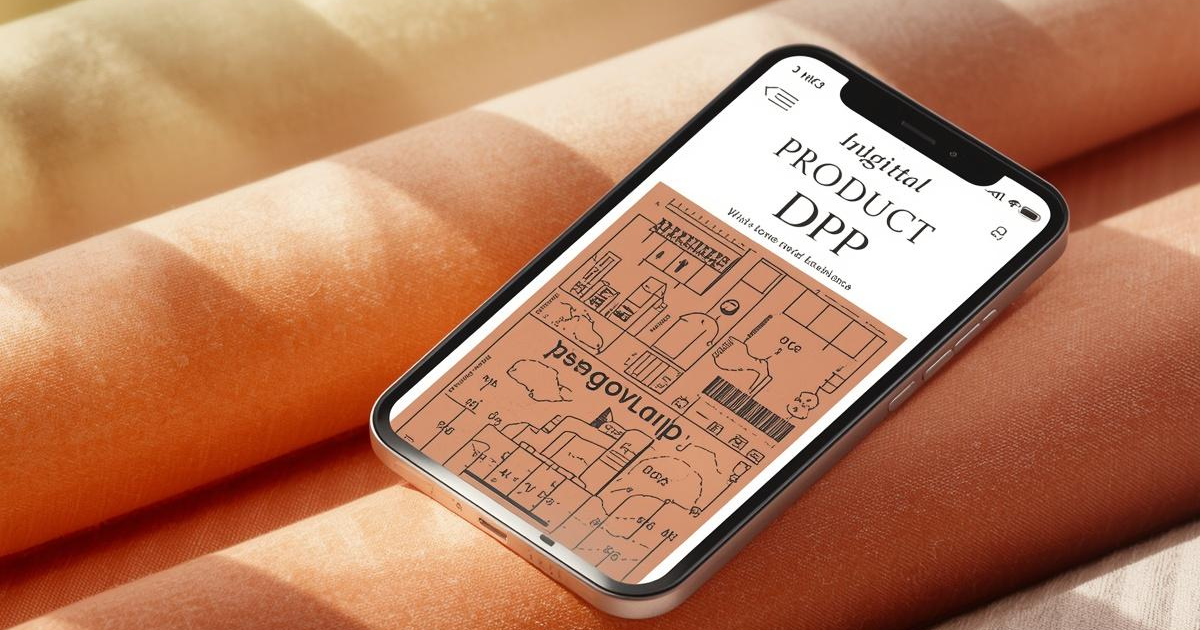
Digital Product Passport (DPP) in Textiles: How Fabric Manufacturers Enable Transparent Supply Chains

Digital Product Passport (DPP) in Textiles_ How Fabric Manufacturers Enable Transparent Supply Chains

Transparency is no longer optional — it is becoming the foundation of modern supply chains.

In the textile and fashion industry, this shift is being accelerated by one key development: the Digital Product Passport (DPP).

As global regulations evolve, particularly under the European Union’s sustainability framework, brands are expected to provide clear, verifiable information about their products — from raw materials to end-of-life.

For textile manufacturers, this marks a fundamental change.
No longer just suppliers, they are becoming critical data partners in building transparent, traceable, and compliant supply chains.

Digital Product Passport (DPP) in Textiles_ How Fabric Manufacturers Enable Transparent Supply Chains

What Is a Digital Product Passport (DPP)

A Digital Product Passport (DPP) is a structured digital record that provides detailed information about a product’s lifecycle.

In the context of textiles, a DPP may include:

  • Fiber composition
  • Origin of raw materials
  • Manufacturing processes
  • Environmental impact data (including carbon footprint)
  • Certifications and compliance records
  • Care instructions and recyclability

The goal of DPP is to enhance transparency, traceability, and circularity — enabling stakeholders across the value chain to make informed decisions.

Digital Product Passport (DPP) in Textiles_ How Fabric Manufacturers Enable Transparent Supply Chains

Why DPP Matters in the Textile Industry

The textile industry is one of the most complex global supply chains.

From fiber production to dyeing, finishing, and garment manufacturing, each stage often involves multiple countries and suppliers. This complexity makes it difficult to track environmental and social impact.

DPP addresses this challenge by standardizing how data is collected, stored, and shared.

For brands, this means:

  • Improved supply chain visibility
  • Stronger sustainability claims
  • Easier compliance with regulations

For manufacturers, it introduces a new expectation:
the ability to provide accurate, traceable, and verifiable data.

What Information a Textile DPP Includes

A well-structured textile DPP goes beyond basic product details.

It provides a comprehensive view of the product’s journey, including:

Material Composition and Origin

Information about fiber types and sourcing locations.

Manufacturing Processes

Details on spinning, weaving, dyeing, and finishing techniques.

Environmental Impact Data

Metrics such as carbon footprint, water usage, and chemical inputs.

Certifications and Standards

Documentation such as GRS, OEKO-TEX, or other recognized sustainability certifications.

Product Lifecycle Information

Guidance on care, durability, repairability, and recyclability.

This level of transparency allows brands and consumers to better understand the true impact of a product.

Digital Product Passport (DPP) in Textiles_ How Fabric Manufacturers Enable Transparent Supply Chains

How DPP Impacts Fabric Manufacturers

DPP is not just a compliance requirement — it reshapes how textile manufacturers operate.

Increased Transparency Requirements

Manufacturers are expected to provide deeper insights into their processes and sourcing.

Data Management Capabilities

Tracking and organizing production data becomes essential.

Supply Chain Collaboration

Manufacturers must work closely with upstream and downstream partners to ensure data consistency.

For those unprepared, this shift may create challenges.
For those ready, it becomes a competitive advantage.

How Fabric Manufacturers Can Prepare for DPP

Preparing for DPP requires both operational and strategic adjustments.

Build Traceability Systems

Establish systems to track materials from source to finished fabric.

Measure Environmental Impact

Develop the capability to calculate and report carbon footprint and other key metrics.

Digitize Production Data

Adopt digital tools to store and share product information efficiently.

Work with Certified Materials

Partner with suppliers who meet recognized sustainability standards.

Strengthen Internal Processes

Ensure data accuracy, consistency, and reliability across all stages of production.

Preparation is not just about compliance — it is about future-proofing the business.

Digital Product Passport (DPP) in Textiles_ How Fabric Manufacturers Enable Transparent Supply Chains

The Role of Fabric in a Transparent Supply Chain

Fabric sits at the core of the textile supply chain.

As one of the earliest stages in product development, it carries critical information that shapes everything downstream — from garment production to retail.

When fabric manufacturers provide accurate and transparent data, it enables:

  • More reliable product passports
  • Better sustainability reporting
  • Stronger brand credibility

In this sense, fabric is not just a material.
It is the foundation of transparency.

DPP and Carbon Footprint: Why Data Matters

Carbon footprint is becoming a central component of Digital Product Passports.

Brands are increasingly required to disclose environmental impact data — and this data must be measurable, consistent, and verifiable.

Without reliable data from textile manufacturers, accurate carbon reporting becomes difficult.

By integrating carbon footprint tracking into textile production, manufacturers can:

  • Support brand-level sustainability goals
  • Improve supply chain transparency
  • Strengthen long-term partnerships

In a data-driven future, information is as important as the product itself.

Benefits of DPP for Brands and Consumers

DPP creates value across the entire ecosystem.

For Brands

  • Enhanced transparency and traceability
  • Stronger sustainability positioning
  • Simplified regulatory compliance

For Consumers

  • Greater trust in product claims
  • Access to detailed product information
  • Better understanding of environmental impact

DPP bridges the gap between production and perception.

The Future of Digital Product Passports in Textiles

Digital Product Passports are not a temporary initiative — they represent a long-term shift.

Driven by regulation, technology, and consumer expectations, DPP is expected to become a standard across the textile industry.

Future developments may include:

  • Real-time product data integration
  • Advanced traceability technologies
  • Greater alignment across global markets

For manufacturers, early adoption is not just beneficial — it is essential.

Conclusion: Building the Foundation for DPP Starts with Fabric

Every product begins with material.In a world moving toward transparency, that material must carry more than performance — it must carry data.

Digital Product Passports are redefining how products are understood, evaluated, and trusted. For textile manufacturers, this presents an opportunity to lead — by delivering the clarity, traceability, and reliability that modern supply chains demand.

Because the future of textiles is not only about what we make,
but how transparently we make it.

Sportingtex®


Carbon Footprint in Textile Manufacturing: How Fabric Choices Reduce Environmental Impact

Carbon Footprint in Textile Manufacturing: How Fabric Choices Reduce Environmental Impact

Sustainability is no longer a trend — it is a responsibility.

In the textile and fashion industry, one concept sits at the center of that responsibility: carbon footprint.

Behind every fabric lies a complex chain of processes — from raw material sourcing to dyeing, finishing, and global transportation. Each stage contributes to carbon emissions, often in ways that remain invisible to the end consumer.

For brands, designers, and manufacturers, understanding and reducing carbon footprint is no longer optional. It is a strategic decision — one that shapes environmental impact, brand positioning, and long-term value.

What Is Carbon Footprint in the Textile Industry

A carbon footprint refers to the total greenhouse gas emissions generated by a product, process, or organization.

In textile manufacturing, this includes emissions across the entire lifecycle of fabric production:

The textile industry is widely recognized as one of the most resource-intensive sectors, with significant environmental impact.

Understanding carbon footprint is the first step toward reducing it.

Where Carbon Footprint Comes From in Fabric Production

Reducing emissions begins with identifying their sources.

Raw Materials

Different fibers carry different carbon impacts.

Conventional cotton requires large amounts of water and agricultural inputs, while synthetic fibers such as polyester rely on fossil fuels and energy-intensive processes.

Dyeing and Finishing

Dyeing is one of the most carbon-intensive stages in textile production.

High-temperature processes, water usage, and chemical treatments contribute significantly to emissions.

Energy Consumption

Textile manufacturing relies heavily on electricity and thermal energy.

Facilities powered by fossil fuels generate substantially higher carbon emissions compared to those using renewable energy.

Transportation

Global supply chains add another layer of carbon footprint:

Each stage of movement increases the overall emissions of the final product.

Carbon Footprint of Different Fabrics

Material choice plays a critical role in determining carbon footprint.

Cotton vs Polyester

Cotton is a natural fiber but often requires intensive water use and agricultural resources.
Polyester is durable and widely used, but it is derived from fossil fuels and has a higher carbon footprint during production.

Organic Cotton vs Conventional Cotton

Organic cotton reduces chemical inputs and supports healthier ecosystems.
However, it still requires land and water resources.

Recycled Fibers vs Virgin Materials

Recycled materials offer a more sustainable alternative:

For brands aiming to reduce carbon footprint, selecting the right fabric is one of the most impactful decisions.

Why Fabric Selection Matters for Brands

Fabric is more than a design choice — it is a sustainability decision.

Consumer Expectations

Consumers today are increasingly aware of environmental impact.
They seek transparency and are more likely to support brands that align with their values.

ESG and Corporate Responsibility

Brands are expected to meet ESG (Environmental, Social, Governance) standards.
Reducing carbon footprint has become a measurable and strategic priority.

Regulatory Pressure

Governments and global organizations are introducing stricter sustainability regulations, encouraging brands to adopt responsible sourcing and production practices.

Choosing the right textile partner is essential in meeting these expectations.

How to Reduce Carbon Footprint in Textile Manufacturing

Reducing carbon footprint requires a comprehensive approach across the entire production process.

Energy-Efficient Production

Improving energy efficiency through optimized machinery and transitioning to renewable energy sources can significantly reduce emissions.

Low-Impact Dyeing

Innovative dyeing technologies reduce water consumption, chemical usage, and energy demand.

Sustainable Material Sourcing

Using recycled fibers, certified materials, and responsibly sourced inputs helps lower overall carbon footprint.

Optimized Supply Chains

Reducing transportation distances and improving logistics efficiency can minimize emissions associated with global distribution.

Sustainability is not achieved through a single change — it requires continuous improvement across systems.

How to Reduce Carbon Footprint in Daily Life Through Clothing Choices

While manufacturing plays a major role, individual choices also contribute to overall carbon footprint.

Choose Quality Over Quantity

High-quality fabrics last longer, reducing the need for frequent replacement and lowering overall consumption.

Understand Your Materials

Choosing fabrics made from recycled or responsibly sourced materials can significantly reduce environmental impact.

Extend Product Lifespan

Wearing garments more frequently and maintaining them properly helps reduce waste and emissions.

Support Responsible Brands

Behind every garment is a supply chain.
Supporting brands that work with sustainable textile manufacturers helps drive positive change across the industry.

The Future of Low-Carbon Textiles

The future of textiles is shifting from volume to value.

Key developments include:

Sustainability is no longer a limitation — it is becoming a competitive advantage.

Conclusion: The Fabric Behind a Lower Carbon Future

Every fabric carries a carbon footprint —from fiber to finish, every decision leaves an impact.

Reducing that impact begins with intention:choosing better materials, refining production processes, and designing for longevity.

Because true sustainability is not about doing more.It is about doing better — with clarity, precision, and purpose.

Sportingtex®

GRS Certified Fabric: What Fashion Brands Should Know Before Sourcing

GRS Certified Fabric: What Fashion Brands Should Know Before Sourcing

As sustainability becomes a priority in the global fashion industry, brands are increasingly seeking materials that support responsible production and supply chain transparency. Among various textile certifications, GRS certified fabric has become a widely recognized standard for verifying recycled materials.

For fashion brands incorporating recycled textiles into their collections, understanding what GRS certified fabric means and how to source it effectively is essential. GRS certification helps ensure verified recycled content and traceable supply chains.

This article outlines what fashion brands should know before sourcing GRS certified fabrics, including certification requirements, sourcing considerations, and the role of recycled textiles in sustainable fashion.

What Is GRS Certified Fabric

GRS certified fabric refers to textiles that meet the requirements of the Global Recycled Standard (GRS), an internationally recognized certification developed to verify recycled materials and responsible manufacturing practices within the textile supply chain.

The certification focuses on several key areas:

To qualify under the standard, products must contain a minimum percentage of recycled materials. In addition, every stage of the supply chain — from raw material processing to final product manufacturing — must be properly documented and audited.

Because of these requirements, GRS certified fabrics provide fashion brands with a reliable way to ensure that recycled materials used in their products meet recognized sustainability standards.

Why Fashion Brands Are Choosing GRS Certified Fabric

The demand for sustainable materials continues to grow as consumers become more conscious of environmental impact and transparency. Many fashion brands are now integrating recycled materials into their collections to support circular production models and reduce reliance on virgin resources.

GRS certified fabric helps brands achieve these goals by offering several advantages.

Verified Recycled Content

One of the primary benefits of GRS certification is the verification of recycled materials. Brands can confidently communicate that their products contain recycled fibers that have been independently verified through certification audits.

Supply Chain Transparency

Traceability is increasingly important for fashion brands. GRS certification requires documented tracking of materials throughout the production process, helping brands ensure greater transparency within their supply chains.

Support for Sustainable Fashion

By using GRS certified fabrics, fashion brands contribute to reducing waste, encouraging material recycling, and promoting responsible production practices within the textile industry.

Stronger Brand Credibility

Consumers and retailers are increasingly looking for brands that demonstrate genuine sustainability efforts. Using certified materials such as GRS certified fabric helps strengthen a brand’s credibility in sustainability initiatives.

Pre-Consumer vs Post-Consumer Recycled Materials

When sourcing GRS certified fabric, fashion brands often encounter two main types of recycled materials: pre-consumer and post-consumer recycled fibers.

Understanding the difference between these materials is important for making informed sourcing decisions.

Pre-Consumer Recycled Materials

Pre-consumer recycled materials refer to manufacturing waste generated during industrial production processes. Examples include fabric scraps, yarn waste, or excess materials that are recovered before reaching the consumer stage.

These materials are often collected during production and recycled into new textile fibers.

Post-Consumer Recycled Materials

Post-consumer recycled materials originate from products that have already been used by consumers and then collected for recycling. A common example is recycled polyester produced from plastic bottles.

Post-consumer recycling helps divert waste from landfills and contributes to the development of circular textile systems.

Both types of recycled materials can be used in GRS certified fabrics, provided that the materials meet the certification requirements.

Applications of GRS Certified Fabrics in Fashion

Today, GRS certified fabric is widely used across different sectors of the fashion and textile industry. The versatility of recycled materials allows brands to incorporate sustainable fabrics into a wide range of products.

Common applications include:

Activewear and Sportswear

Recycled polyester fabrics are frequently used in activewear collections due to their durability, moisture-management properties, and lightweight performance.

Outdoor Apparel

Many outdoor brands integrate GRS certified fabrics into jackets, insulation layers, and performance garments as part of their sustainability initiatives.

Fashion Apparel

From casual wear to contemporary fashion collections, recycled fabrics are increasingly used in garments such as dresses, shirts, and outerwear.

Accessories and Bags

GRS certified textiles are also widely used in accessories including bags, backpacks, and travel products.

The growing availability of recycled materials allows fashion brands to integrate sustainability without compromising product performance or design flexibility.

How Fashion Brands Can Source GRS Certified Fabric

Sourcing GRS certified fabric requires careful evaluation of suppliers and production capabilities. Brands should consider several factors to ensure that their materials meet certification standards and quality expectations.

Verify Certification Status

Brands should confirm that the textile supplier holds valid GRS certification. Certification documentation should clearly identify the certified scope of products and production processes.

Evaluate Supply Chain Transparency

Reliable suppliers should be able to provide traceability documentation that tracks recycled materials throughout the production process.

Assess Fabric Quality and Performance

While sustainability is important, fabric quality remains essential for fashion brands. Evaluating durability, hand feel, and performance characteristics is crucial when selecting recycled textiles.

Consider Production Capacity

For brands planning large-scale collections, working with experienced textile manufacturers ensures consistent supply and stable production capabilities.

Choosing a Reliable GRS Fabric Supplier

Selecting the right supplier plays an important role in successful sustainable sourcing. A reliable GRS fabric suppliershould provide more than just certification.

Fashion brands should look for partners that offer:

Working with an experienced manufacturer helps brands integrate GRS certified fabrics into their collections more efficiently while maintaining product quality and compliance with sustainability standards.

Conclusion: Choosing the Right GRS Certified Fabric for Your Brand

As the fashion industry moves toward more responsible production, recycled materials are becoming increasingly important in textile manufacturing. GRS certified fabric provides fashion brands with a reliable framework for verifying recycled content and improving supply chain transparency.

For brands developing more responsible collections, incorporating certified recycled fabrics can help reduce environmental impact while maintaining product quality.

By sourcing GRS certified fabric from experienced textile manufacturers, fashion brands can build more transparent supply chains and support the future of sustainable fashion.

👉 Contact us today to learn more about our GRS certified fabrics and how we can support your next sustainable textile project.

GRS Certified Fabric FAQ

Q1:What is the difference between GRS and RCS certification?

Both GRS (Global Recycled Standard) and RCS (Recycled Claim Standard) verify recycled materials in textile products. However, GRS includes additional requirements such as environmental practices, chemical restrictions, and social responsibility across the supply chain.

Because of these broader standards, GRS certified fabric is often preferred by fashion brands seeking stronger sustainability verification.

Q2:What materials can be used in GRS certified fabric?

A wide range of recycled fibers can be used in GRS certified fabric, including recycled polyester, recycled nylon, recycled cotton, and other reclaimed textile materials.

These fibers may come from both pre-consumer waste, such as production scraps, and post-consumer materials, such as recycled plastic bottles or used garments. All materials must be verified through the certification process to ensure recycled content and traceability.

Q3:How can fashion brands verify a GRS fabric supplier?

Fashion brands can verify a GRS fabric supplier by requesting valid certification issued by an accredited certification body. This documentation confirms that the supplier’s materials and production processes comply with Global Recycled Standard requirements.

Brands should also evaluate the supplier’s ability to provide traceability documentation, consistent fabric quality, and reliable production capacity when sourcing recycled textiles.

Sportingtex®

Performance Textile Fabric Supplier: A Complete Guide for Brands and Manufacturers

Performance Textile Fabric Supplier: A Complete Guide for Brands and Manufacturers

In today’s competitive apparel and textile market, choosing the right performance textile fabric supplier is essential. Performance fabrics are now widely used across activewear, outdoor apparel, workwear, healthcare-related textiles, and functional lifestyle products.

This guide explains what performance textile fabrics are, how they are manufactured, where they are used, and what brands should consider when selecting a long-term supplier.

Performance Textile Fabric Supplier: A Complete Guide for Brands and Manufacturers

What Are Performance Textile Fabrics?

Performance textile fabrics are engineered materials designed to deliver functional properties beyond aesthetics. Compared to conventional textiles, they are developed to enhance comfort, durability, and usability in demanding conditions.

These fabrics are commonly designed to support:

  • Moisture management and breathability
  • Stretch, recovery, and shape retention
  • Lightweight yet durable construction
  • Thermal regulation
  • Abrasion resistance
  • UV protection
  • Long-term wear performance

A professional performance textile fabric supplier focuses not only on fabric appearance but also on how the material performs throughout its lifecycle—from development and production to repeated use.

Key Applications of Performance Textile Fabrics

Performance textiles are used across a wide range of industries. Understanding these applications helps brands identify the right fabric construction and supplier expertise.

Sportswear and Activewear

Performance fabrics are essential for modern activewear and athletic apparel. These textiles are commonly used in:

  • Training and gym apparel
  • Yoga and athleisure collections
  • Compression garments
  • Running and cycling wear

Key fabric requirements include moisture-wicking, stretch recovery, softness, and durability. A reliable performance textile fabric supplier ensures consistent color, stretch, and fabric feel across seasonal collections.

Outdoor and Functional Apparel

Outdoor apparel requires textiles that perform under changing environmental conditions. Performance fabrics in this category are commonly designed for:

  • Hiking and trekking apparel
  • Waterproof or water-resistant garments
  • Windproof layers
  • Insulation-supporting shells

Suppliers specializing in performance textiles often develop fabrics that balance protection, breathability, and lightweight comfort.

Workwear and Industrial Textiles

Performance textiles are widely used in workwear and industrial applications where durability and protection are critical. These fabrics may be engineered to offer:

  • Enhanced abrasion resistance
  • Strength and dimensional stability
  • Comfort for extended wear
  • Functional layering compatibility

An experienced performance textile fabric supplier understands how fabric structure and finishing processesinfluence long-term wear in demanding environments.

Medical and Healthcare Textiles

In healthcare-related applications, performance textiles are often used for non-invasive and support-oriented products such as:

  • Support garments
  • Compression-based textiles
  • Specialized healthcare apparel

Suppliers in this space focus on comfort, breathability, and material stability while aligning with industry compliance standards.

Across these applications, SPORTINGTEX® works as a performance textile fabric supplier, supporting brands with application-driven fabric development and long-term partnership solutions.

Performance Textile Fabric Supplier: A Complete Guide for Brands and Manufacturers

What to Look for in a Performance Textile Fabric Supplier

Selecting a performance textile fabric supplier is about more than pricing. Brands should evaluate suppliers based on capability, reliability, and long-term partnership potential.

Material Expertise and R&D Capability

A qualified supplier should demonstrate strong knowledge of:

  • Fiber selection and blending
  • Yarn engineering
  • Fabric construction methods
  • Functional finishing techniques

In-house research and development capabilities allow suppliers to support innovation and customization.

Quality Control and Testing Standards

Consistent performance depends on strict quality control. A professional performance textile fabric suppliertypically conducts testing related to:

  • Colorfastness
  • Shrinkage
  • Stretch and recovery
  • Abrasion resistance
  • Fabric weight and dimensional stability

Reliable testing processes help brands maintain consistent product quality across production cycles.

Customization and OEM / ODM Support

Many brands require custom fabric solutions. A capable performance textile fabric supplier should offer:

  • Custom knit or woven constructions
  • Adjustable fabric weight and density
  • Functional finishing options
  • OEM and ODM development support

Customization flexibility is especially important for emerging brands and performance-focused collections.

Lead Time and Supply Chain Reliability

Timely delivery is critical in the apparel industry. When evaluating suppliers, brands should consider:

  • Sampling turnaround time
  • Bulk production lead time
  • Scalability for growing orders
  • Communication and project management efficiency

A dependable performance textile fabric supplier supports smoother production planning and market launches.

Performance Textile Fabric Supplier: A Complete Guide for Brands and Manufacturers

Conclusion

In a market driven by performance, consistency, and innovation, choosing the right performance textile fabric supplieris a strategic decision. Beyond material quality, a reliable supplier offers technical expertise, customization flexibility, and quality consistency to support long-term product development.

By partnering with SPORTINGTEX®, brands can navigate evolving market demands with confidence and build performance-driven collections that deliver across applications and seasons.

Performance Textile Fabric Supplier FAQ

Q1. What is a performance textile fabric supplier?

A performance textile fabric supplier specializes in developing and manufacturing fabrics designed for functional performance, durability, and specific use requirements.

Q2. Can performance textile fabrics be customized?

Yes. Many suppliers offer customization in fiber selection, fabric construction, finishing processes, and performance characteristics.

Q3. What industries use performance textile fabrics?

Performance textiles are widely used in sportswear, outdoor apparel, workwear, healthcare-related textiles, and functional lifestyle products.

Sportingtex®


Collagen Fabric Benefits: Why Collagen-Infused Textiles Are Shaping the Future of Functional Fabrics

Collagen Fabric Benefits: Why Collagen-Infused Textiles Are Shaping the Future of Functional Fabrics

As consumer demand shifts toward comfort, skin-friendly materials, and premium functional textiles, collagen fabric has emerged as a key innovation within the textile industry. From apparel and intimates to home textiles and medical-related applications, collagen-infused fabrics offer a unique combination of softness, comfort, and skin-contact performance.

In this article, we explore collagen fabric benefits, how collagen textiles are produced, their applications across industries, and why global brands are increasingly choosing collagen fabric for next-generation collections.

Collagen Fabric Benefits: Why Collagen-Infused Textiles Are Shaping the Future of Functional Fabrics

What Is Collagen Fabric?

Collagen fabric refers to textiles that incorporate collagen-based components into the fiber structure or fabric surface. Collagen is a naturally occurring protein widely found in animals and marine sources, known for its compatibility with human skin.

In textile manufacturing, collagen is introduced to fabrics through advanced processing technologies, creating materials designed to enhance comfort and skin contact performance without altering the core structure of the fabric.

What Is Collagen Made From?

Collagen used in textiles typically comes from:

  • Marine collagen (fish scales, skin, or by-products)
  • Animal-based collagen (such as bovine sources)
  • Bio-engineered collagen (emerging sustainable alternatives)
  • Marine collagen is especially popular in textile applications due to its finer molecular structure and sustainability potential through by-product utilization.

    How Is Collagen Applied to Fabric?

    Different manufacturing techniques result in varying levels of durability and performance. Common methods include:

    Collagen Coating Technology

    A thin collagen layer is applied to the fabric surface, improving softness and skin feel. This method is cost-effective and suitable for fashion and lifestyle textiles.

    Fiber Blending with Collagen

    Collagen is blended directly into fibers during spinning, creating longer-lasting functional properties suitable for premium and technical textiles.

    Microencapsulation Technology

    Collagen molecules are encapsulated and embedded into fabrics, allowing gradual release during wear and movement.

    Each method affects washing durability, performance longevity, and end-use suitability.

    Key Collagen Fabric Benefits

    Skin-Friendly and Gentle on Contact

    One of the most recognized collagen fabric benefits is its skin-friendly nature. Collagen textiles are designed to be gentle when in contact with skin, making them suitable for:

    Collagen fabrics help reduce friction and discomfort compared to some synthetic materials.

    Moisture Retention and Comfort Support

    Collagen has natural moisture-binding characteristics, contributing to improved wearing comfort. While not a medical treatment, collagen-infused fabrics help create a pleasant microclimate between the skin and textile, especially in dry environments or air-conditioned spaces.

    This makes collagen fabric a strong choice for:

    Enhanced Softness and Premium Hand Feel

    Collagen fabrics are known for their luxury-grade softness. Compared to traditional cotton or synthetic fabrics, collagen-infused textiles often offer a smoother surface and elevated tactile experience.

    This benefit supports premium positioning in:

    Breathability and Wearability

    Collagen fabrics maintain balanced breathability, ensuring comfort during extended wear. When combined with other functional fibers, collagen textiles support moisture regulation without compromising softness.

    Collagen Fabric Benefits for Apparel Applications

    Collagen Fabric for Activewear

    In performance apparel, comfort is essential. Collagen fabric benefits in activewear include:

    Collagen is often blended with polyester, nylon, or spandex to maintain performance characteristics.

    Collagen Fabric for Loungewear and Sleepwear

    Softness and comfort are key drivers in loungewear. Collagen fabrics provide:

    Collagen Fabric for Intimates and Underwear

    Intimates require materials that prioritize skin comfort. Collagen fabrics are widely used in:

    Their gentle surface reduces friction in sensitive areas.

    Collagen Fabric Benefits for Home Textiles

    Bedding and Sheets

    Collagen-infused bedding textiles are designed to enhance sleep comfort. Benefits include:

    Towels and Bath Textiles

    In towels and bath products, collagen fabrics offer a softer touch while maintaining absorbency, ideal for luxury bath collections.

    Is Collagen Fabric Safe?

    Collagen fabric is generally considered safe for skin contact when produced under proper textile standards. Reputable manufacturers ensure:

    Collagen fabrics are widely used in consumer products designed for daily wear.

    Suitable for Sensitive Groups

    Due to its gentle nature, collagen fabric is often selected for products intended for:

    How Long Do Collagen Fabric Benefits Last?

    Durability depends on the manufacturing method.

    Durability After Washing

    Manufacturers typically test collagen retention across multiple wash cycles.

    Care Instructions for Collagen Fabric

    To maintain fabric performance:

    Collagen Fabric vs Traditional Functional Fabrics

    When comparing collagen fabric with traditional functional textiles, clear differences emerge in comfort, sustainability, and market positioning. Skin comfort is a key advantage of collagen fabric, as it is designed to be gentle for prolonged skin contact, making it suitable for sensitive-skin applications. Bamboo also performs well, while modal offers moderate comfort and synthetic functional fabrics vary widely depending on composition.

    In terms of softness, collagen fabric is known for its smooth, premium hand feel, often perceived as more refined than bamboo or modal. Moisture comfort in collagen fabric is balanced, supporting a comfortable microclimate without compromising softness, whereas synthetic fabrics often prioritize moisture-wicking performance.

    Sustainability potential further differentiates collagen fabric, particularly when marine collagen is sourced from by-products, supporting resource efficiency. Combined with strong premium positioning, collagen fabric is well suited for high-end apparel, intimates, and home textile applications.

    Sustainability and the Future of Collagen Textiles

    By-Product Utilization

    Marine collagen is often sourced from fish-processing by-products, contributing to waste reduction and circular resource use.

    Collagen Fabric in Sustainable Fashion

    As brands focus on sustainability, collagen textiles offer:

    Why Brands Choose Collagen Fabric for Premium Collections

    Brands across global markets select collagen fabrics for:

    Functional comfort has become a major purchasing factor, especially in lifestyle and wellness-driven segments.

    Collagen Fabric Manufacturing Capabilities

    As a fabric manufacturer, collagen textiles can be customized to meet brand requirements.

    Custom Collagen Content and Fabric Structures

    Manufacturers offer flexibility in:

    OEM and ODM Support

    Collagen fabric production is suitable for:

    OEM/ODM services allow full customization from fiber selection to finishing.

    Quality Control and Testing Standards

    Professional collagen fabric manufacturing includes:

    FAQ: Collagen Fabric Benefits

    Q1:Is collagen fabric good for skin?
    Collagen fabric is designed to be gentle and comfortable for direct skin contact. Its smooth texture and skin-friendly properties make it suitable for sensitive users and products intended for prolonged wear.

    Q2:Does collagen fabric lose its effect after washing?
    The durability of collagen fabric depends on the manufacturing method. Surface-treated collagen fabrics may gradually reduce performance over time, while fiber-blended collagen textiles are designed to retain their functional characteristics through repeated washing cycles.

    Q3:Is collagen fabric suitable for activewear?
    Yes. Collagen can be blended with performance fibers such as polyester, nylon, or elastane, allowing fabrics to maintain flexibility, durability, and comfort during movement.

    Q4:Is collagen fabric sustainable?
    Collagen fabric can offer strong sustainability potential, particularly when marine collagen is sourced from fish-processing by-products. This approach supports resource efficiency and waste reduction within the textile supply chain.

    Conclusion: The Value of Collagen Fabric in Modern Textiles

    Collagen fabric benefits extend beyond softness. They represent a shift toward comfort-focused, skin-friendly, and premium functional textiles. As innovation continues, collagen-infused fabrics are positioned to play a central role in future textile development.

    Looking to develop collagen fabric for your next collection?
    Partner with an experienced fabric manufacturer to explore customized collagen textile solutions tailored to your brand’s needs.

    Sportingtex®

    GRS Certification for Textiles: Boosting Sustainability and Global Compliance

    GRS Certification for Textiles: Boosting Sustainability and Global Compliance

    In today’s textile industry, sustainability isn’t just a trend—it’s an expectation. GRS (Global Recycled Standard) certification is becoming increasingly important for brands and manufacturers who want to show that they care about the environment and responsible production. This certification not only confirms the use of recycled materials, but also checks that companies follow good practices when it comes to the environment, workers’ rights, and safe chemicals. For textile suppliers, having GRS certification builds trust with customers and helps them meet international standards. This article breaks down what GRS is, how it works, and why it’s worth considering for your business.

    What Is GRS Certification and Who Manages It?

    When it comes to sustainability in textiles, GRS certification is one of the clearest ways to prove you’re doing things right. But what exactly does it cover—and who makes sure it’s legit?

    What the Global Recycled Standard (GRS) Covers

    The Global Recycled Standard (GRS) is a globally recognized certification that verifies a fabric truly contains recycled content—not just a marketing claim. But it goes way beyond that. GRS also looks at how your product is made: Are you using safe chemicals? Are workers treated fairly? Is your production process minimizing harm to the environment?

    In short, GRS doesn’t just check what’s in your fabric—it checks how responsibly you made it.

    Who Oversees the GRS?

    GRS is managed by Textile Exchange, a respected non-profit that’s driving sustainability across the textile industry. They’re the ones who define the rules and approve third-party certifiers who go out and audit factories. So when a fabric is GRS-certified, it’s not just a self-declared label—it’s been checked and verified by trained professionals.

    What GRS Certification Stands For

    At its core, GRS certification is built on three big ideas:

    1. Traceability – You can follow the recycled material all the way through your supply chain, from raw fiber to finished product.
    2. Environmental Responsibility – Your manufacturing process meets strict standards for emissions, waste, and chemical use.
    3. Social Responsibility – Your workers are treated fairly and ethically, with safe conditions and legal protections.

    If you’re trying to win over global buyers, meet ESG expectations, or just prove you walk the sustainability talk—GRS gives you the credibility to back it up.

    Why GRS Matters in the Textile Supply Chain

    In today’s market, being sustainable isn’t just a bonus—it’s expected. Whether you’re a fabric mill, manufacturer, or brand supplier, GRS certification can help you meet growing demands while building real trust with your buyers.

    Sustainability Expectations Are Rising

    More and more global brands—and their customers—are choosing to work only with partners who care about the planet. It’s not enough to just say you’re “eco-friendly” anymore. You need proof.

    GRS-certified fabrics do exactly that. They show that you’re not just using recycled materials, but that you’re committed to producing them in a responsible, ethical, and traceable way.

    It Helps You Meet Buyer Requirements—Faster

    Large buyers—especially international fashion brands—are asking for proof that materials are recycled and made responsibly. GRS makes that proof easy to provide.

    It Builds Trust Through Real Transparency

    One of the biggest advantages of GRS? Full supply chain visibility. From raw recycled fiber to finished fabric roll, each step is tracked and documented.

    This level of transparency not only sets you apart from competitors—it helps you build long-term relationships with buyers who want partners they can count on.

    What Materials Can Be GRS Certified?

    GRS certification isn’t limited to one type of textile—it covers a wide range of recycled materials used across fashion, sportswear, home textiles, and more. The key is traceability: no matter the source, the recycled content has to be proven, documented, and tracked all the way through production.

    Common GRS-Certified Fabrics

    Some of the most widely certified materials include:

    These fibers are popular because they combine sustainability with performance, making them ideal for activewear, denim, fashion, and even upholstery.

    Pre-Consumer vs. Post-Consumer Waste

    GRS accepts both types:

    As long as the origin of the recycled content is clearly documented, it can be certified. This flexibility makes GRS practical for a wide range of textile businesses looking to reduce waste and upcycle materials.

    Tracking Materials from Start to Finish

    GRS isn’t just about what’s in your fabric—it’s about being able to prove it. Every time recycled material changes hands during production, a document called a Transaction Certificate (TC) is issued.

    These certificates create a transparent trail from raw material to final product—so buyers can trust what they’re getting, and brands can confidently communicate their sustainability story.

    How Does GRS Certification Work?

    Step 1: Collecting the Right Documents

    You’ll need to show where your recycled materials come from and how your products are made.

    Step 2: On-Site Inspection

    A certified third-party organization will visit your factory to check that your processes meet GRS standards—including safety, environmental, and labor practices.

    Step 3: Stay Certified

    Once you’re certified, you’ll need to go through regular yearly checks to keep your certification active.

    GRS Certification for Textiles_ Boosting Sustainability and Global Compliance (2)
    GRS Certification for Textiles_ Boosting Sustainability and Global Compliance

    Why Work with a GRS-Certified Textile Supplier?

    When you’re sourcing fabrics, you’re not just looking for the right texture or performance—you’re also looking for partners you can trust. Choosing a GRS-certified supplier makes the entire process smoother, more credible, and aligned with the growing global demand for sustainability.

    Get Recognized by Global Brands

    GRS is a globally respected certification. Working with a GRS-certified textile supplier instantly signals that your materials meet international standards—not just in recycled content, but also in ethical and environmental practices. For brands looking to expand across markets, that kind of recognition can make all the difference.

    Make It Easier for Your Buyers to Say “Yes”

    When your fabrics already come with GRS certification, it takes a major load off your buyer’s shoulders. They don’t have to dig for proof, verify sustainability claims, or double-check sourcing. Everything’s documented and ready to go—which means faster decisions, fewer headaches, and a better experience for everyone involved.

    Walk the Talk on Sustainability

    Brands today aren’t just judged by what they make—they’re judged by how they make it. Sourcing from GRS-certified suppliers makes it easier to meet your ESG goals, back up your marketing claims, and share a real sustainability story with your customers. And the best part? It’s not just good for your image—it’s good for the planet too.

    How We Support GRS Standards

    Sustainability isn’t something we add on—it’s part of how we work every day. As a GRS-certified textile manufacturer, we’re proud to offer reliable, high-quality fabrics that meet international sustainability standards and make life easier for our partners.

    Our GRS-Certified Fabric Range

    We provide a wide selection of GRS-certified fabrics, including:

    No matter the application, each material is certified, traceable, and designed with both function and sustainability in mind.

    From Raw Fiber to Finished Fabric—All In-House

    Every step of the process—from sourcing recycled raw materials to knitting, dyeing, and finishing—is handled in-house. This lets us maintain strict quality control and ensure complete traceability at every stage. Our transaction certificates follow each fabric roll from origin to delivery.

    Going Beyond Certification

    Being GRS-certified is just one part of our long-term commitment to responsible manufacturing. We’ve also invested in:

    We believe sustainability works best when it’s built into the system—not just printed on a label.

    How GRS Compares to Other Certifications

    There are a lot of sustainability certifications out there, and it can be tricky to understand how they differ. Here’s a quick breakdown of how GRS stacks up against some of the most common ones—and when it makes sense to use them together.

    GRS vs. RCS (Recycled Claim Standard)

    RCS only confirms that a material is recycled. GRS goes further by also checking environmental and social impacts.

    GRS vs. GOTS (Global Organic Textile Standard)

    GOTS is for organic fibers, while GRS is designed for recycled materials—especially synthetic ones.

    GRS and OEKO-TEX Work Well Together

    GRS checks for recycling and ethics. OEKO-TEX checks for chemical safety. Using both shows your fabric is safe and responsible.

    Common Questions About GRS-Certified Fabrics

    Can GRS-certified fabric be used in performance wear?

    Absolutely. GRS-certified polyester and nylon are widely used in activewear, outdoor gear, and athleisure. They’re not just eco-friendly—they’re also durable, breathable, and perfect for technical applications. Many global sportswear brands already use them in everything from leggings to jackets.

    How can I check if a supplier is really GRS certified?

    A truly GRS-certified supplier should have two key documents ready to share:

    1. A valid scope certificate – this confirms the company is officially certified by an approved third-party body.
    2. Transaction certificates (TCs) – these trace specific shipments or batches of fabric through the supply chain.

    If a supplier can’t provide both, it’s a red flag. It’s okay to ask questions—and if things still don’t check out, it’s smart to look elsewhere.

    Is GRS required by law?

    No, GRS isn’t mandatory by law—at least not yet. But many global brands and buyers now list it as a sourcing requirement, especially when sustainability or ESG goals are part of the project. Having GRS certification helps you stand out and speeds up approval from procurement teams.

    GRS Conclusion

    As sustainability becomes a key priority in the textile industry, GRS certification represents a clear commitment to responsible, traceable, and globally compliant manufacturing. Beyond recycled content, it verifies ethical production, environmental management, and supply chain transparency.

    We are proud to share that SUN DREAM ENTERPRISE CO., LTD. has achieved Global Recycled Standard (GRS) 4.0 certification, reinforcing our dedication to sustainable practices without compromising quality. We look forward to partnering with brands seeking reliable, eco-conscious fabric solutions to create long-term value within the circular economy.

    Looking for a GRS-compliant partner? Let’s connect.

    Sportingtex®

    Sustainable Textiles: How Innovation Is Reducing Carbon Footprint

    Sustainable Textiles: How Innovation Is Reducing Carbon Footprint

    As sustainability shifts from a arketing message to a global requirement, sustainable textiles are redefining the fashion and textile industries. Leading brands are no longer focused solely on aesthetics or hand-feel; they are actively selecting partners who can reduce carbon emissions, enhance supply chain transparency, and support long-term ESG goals.

    As a result, expectations have fundamentally changed.Brands now require both high-performing fabrics and clear proof of responsible production.

    For textile manufacturers, this shift presents both a challenge and an opportunity. Mills that adopt innovative, low-impact technologies are increasingly becoming the preferred partners for forward-thinking brands committed to transparency, circularity, and reduced environmental impact.

    Innovation is no longer optional—it is what separates truly sustainable textiles from traditional ones.

    What Are Sustainable Textiles?

    Sustainable textiles are fabrics produced using processes that minimize environmental impact across their entire life cycle—from raw material sourcing and manufacturing to use and end-of-life management.

    Beyond environmental performance, sustainable textiles also emphasize traceability, accountability, and system-level efficiency. This means understanding not only where materials come from, but how energy, water, and chemicals are managed at every stage of production.

    Key characteristics of sustainable textiles include:

    In practice, sustainable textiles are measured not by a single attribute, but by continuous improvement over time. Manufacturers assess performance using tools such as Life Cycle Assessment (LCA), energy audits, and sustainability benchmarks to identify meaningful reductions in environmental impact.

    Unlike conventional fabrics, sustainable textiles prioritize long-term resource efficiency, risk reduction, and alignment with global sustainability standards, creating value not only for the environment, but also for brands seeking resilient and future-ready supply chains.

    Why Carbon Footprint Is a Critical Issue in Textile Manufacturing

    The textile industry is one of the most resource- and energy-intensive sectors globally, and its carbon footprint extends across every stage of the production chain. Carbon emissions arise from:

    Among these stages, energy consumption and wet processing—especially dyeing and finishing—are consistently identified as the largest contributors to a fabric’s environmental impact. Heating water, running high-temperature dyeing machines, and managing wastewater treatment all require substantial energy input, which directly increases CO₂ emissions.

    Climate regulations, investor expectations, and global brand commitments have made carbon reduction a business necessity rather than a voluntary effort. Leading international brands now require textile suppliers to:

    This shift means carbon performance is no longer just an environmental metric—it is a key factor influencing purchasing decisions, long-term partnerships, and supplier competitiveness. Mills that can prove lower emissions and higher efficiency gain a clear advantage in the global market.

    Key Innovations Driving Sustainable Textiles

    1. Low-Impact and Waterless Dyeing Technologies

    Traditional dyeing requires significant amounts of water, heat, and chemical inputs, making it one of the highest-emission stages in textile manufacturing. Today, a range of new technologies is transforming this process:

    Beyond environmental benefits, these technologies enhance batch consistency, color reproducibility, and lead-time efficiency—core priorities for global brands seeking stable quality across large production runs.

    2. Renewable Energy in Textile Mills

    Energy sourcing has a direct and substantial impact on a fabric’s carbon footprint. As brands push for decarbonized supply chains, many textile mills are transitioning toward renewable energy systems:

    Switching to renewable energy reduces Scope 1 and Scope 2 emissions, helping mills align with global climate commitments and meet the expectations of sustainability-driven brand partners.

    3. Recycled and Bio-Based Fibers

    Material choice is a foundational driver of sustainable textiles. More mills and brands are adopting lower-carbon fiber alternatives, including:

    To substantiate environmental claims, brands increasingly rely on Life Cycle Assessment (LCA) to quantify upstream carbon reductions, validate supplier data, and support transparent material sourcing decisions.

    4. Circular and Closed-Loop Textile Systems

    Circularity is becoming a core pillar of sustainable textile development. Unlike the traditional “take–make–dispose” model, circular systems aim to retain material value for as long as possible.

    Key strategies include:

    Circular practices reduce landfill waste, lower carbon emissions across the product life cycle, and support the emerging shift toward regenerative textile manufacturing.

    5. Green Chemistry and Process Optimization

    Chemical innovation plays a critical role in advancing sustainable textile production. Many mills are adopting strategies that minimize environmental risk while maintaining product performance:

    Process optimization not only improves environmental outcomes but also helps manufacturers meet stricter compliance requirements and strengthen brand trust.

    What Brands Look for in Sustainable Textile Suppliers

    From a brand perspective, selecting a sustainable textile supplier requires evaluating both performance and credibility. Beyond fabric aesthetics and pricing, brands assess whether a manufacturing partner can support their long-term sustainability and compliance goals.

    Key factors brands look for include:

    In a highly competitive global market, textile manufacturers that successfully align sustainability with operational excellence are best positioned to become trusted, long-term partners for leading international brands.

    The Future of Sustainable Textiles

    Sustainable textiles are rapidly evolving from a competitive advantage to an industry expectation. As regulatory frameworks tighten and brand sustainability commitments become more ambitious, the future of textile manufacturing will be shaped by carbon accountability, circular design, and digital transparency.

    Looking ahead, the industry is expected to see:

    Textile manufacturers that invest early in sustainable textiles are not only reducing environmental impact—they are building future-ready supply chains that can adapt to regulatory change, market demands, and long-term industry transformation.

    Sportingtex®


    A Complete Guide to Cooling Fabrics: How They Work and How to Choose the Best Materials

    A Complete Guide to Cooling Fabrics: How They Work and How to Choose the Best Materials

    Cooling fabrics have quickly become a must-have in apparel, sportswear, outdoor gear, and bedding—especially as hotter weather and higher performance standards shape what consumers expect. Rather than acting like “wearable air conditioners,” these textiles use advanced fiber technology and smart fabric engineering to improve heat release, moisture control, airflow, and overall comfort.

    This guide breaks down how cooling fabrics actually work, which materials perform best, and what to look for when choosing the right cooling textile. With a clear understanding of these fundamentals, you can make smarter decisions about materials that stay cooler, drier, and more comfortable—no matter the conditions.

    How Do Cooling Fabrics Work? 

    Cooling fabrics don’t technically “lower the body’s temperature.”Instead, they enhance the body’s natural heat-release mechanisms, helping you feel cooler, drier, and more comfortable. Their effectiveness comes from a combination of fiber chemistry, fabric structure, and thermal physics.

    Below is a clearer, more natural explanation of the five core mechanisms behind modern cooling textiles.

    1. Moisture Wicking & Evaporative Cooling

    The human body cools itself primarily through sweat evaporation. When sweat sits on the skin—especially under non-breathable fabrics—it slows cooling and creates a sticky, overheated feeling.

    Cooling fabrics solve this through advanced moisture-management technology that:

    This results in a faster cooling sensation and prevents clinginess or dampness.

    Technology behind it includes:

    These features move moisture with precision, keeping the skin dry and improving thermal comfort.

    2. Enhanced Breathability & Airflow

    Trapped heat is one of the biggest contributors to discomfort. Cooling fabrics combat this by maximizing airflow so that warm air can escape and fresh air can circulate.

    They often use:

    Improved airflow allows excess heat to dissipate instead of accumulating between the fabric and skin.

    3. Cool-Touch Fibers (Thermal Conductivity)

    Some cooling fabrics feel instantly cool the moment they touch the skin. This comes from fibers with higher thermal conductivity, meaning they pull heat away from the skin more efficiently.

    Common cool-touch technologies include:

    The result is a crisp, cool sensation—often called “cold handfeel”—that consumers immediately notice.

    4. Heat Reflection & UV Protection

    When exposed to the sun, fabrics can quickly heat up, making the wearer feel hotter. To counter this, some cooling textiles incorporate technologies that reduce surface temperature by minimizing heat absorption.

    These may include:

    Together, they help the fabric stay cooler even under direct sunlight.

    5. Phase-Change Materials (PCMs)

    PCMs represent one of the most advanced temperature-regulating technologies available today. Used in performance gear, military textiles, and premium bedding, they help maintain a more stable micro-climate around the skin.

    They function by:

    PCMs don’t create a “cold” feeling but instead smooth out fluctuations, helping the wearer stay comfortable for longer periods.

    Understanding Body Heat: Why Cooling Fabrics Matter

    Understanding how the body generates and releases heat is essential to understanding why cooling fabrics make such a difference. Heat comes from several key sources, and each one affects comfort in a different way.

    Where Body Heat Comes From

    1. Metabolic Heat

    The body naturally produces heat as it burns energy.

    This heat needs a way to escape; otherwise, the temperature around the skin rises quickly.

    2. Environmental Heat

    External conditions make a major impact on perceived warmth.

    Together, these factors can overwhelm the body’s natural cooling system—even at low activity levels.

    3. Clothing Insulation

    What you wear can either support or block heat release.

    When insulation is too high, heat stays trapped close to the body, leading to overheating and discomfort.

    Types of Cooling Fabric Technologies

    Cooling fabrics generally fall into four main categories. Each category uses a different mechanism to manage heat, moisture, and airflow, and each serves distinct performance needs.

    Category 1: Moisture-Management Cooling

    Focus: Sweat evaporation and fast drying
    Best for: Sportswear, activewear, uniforms, training apparel

    Moisture-management cooling relies on moving sweat away from the skin and accelerating evaporation—the body’s most efficient natural cooling method. These fabrics keep the skin dry and prevent the clingy, overheated feeling caused by trapped moisture.

    Typical technologies include:

    This type of cooling is essential for high-activity use where sweat buildup is the main source of discomfort.

    Category 2: Cool-Touch (Contact Cooling)

    Focus: Instant cool sensation on skin contact
    Best for: T-shirts, underwear, intimate apparel, bedding

    Cool-touch fabrics feel cold the moment they touch the skin. This effect comes from materials with higher thermal conductivity—fibers that pull heat away quickly and provide a refreshing handfeel.

    Common materials include:

    These fibers deliver a crisp, cool sensation that consumers recognize immediately, making them ideal for direct-to-skin garments.

    Category 3: Air-Cooling Fabrics

    Focus: Maximum ventilation and breathability
    Best for: Sports mesh, outdoor apparel, training tops, ventilated panels

    Air-cooling relies on structural design rather than fiber chemistry. The goal is to create continuous airflow so heat and moisture can escape quickly—particularly useful in hot climates or during intense activity.

    Typical constructions include:

    These fabrics do not necessarily feel cool to the touch, but they keep body heat from building up by maintaining constant circulation.

    Category 4: Smart Cooling (PCM or Nano-Tech)

    Focus: Heat absorption, temperature buffering, and adaptive cooling
    Best for: Premium bedding, high-performance apparel, technical uniforms

    Smart cooling technologies go beyond passive ventilation or wicking. They actively buffer temperature changes, helping maintain a more stable micro-climate around the body.

    Common technologies include:

    These fabrics don’t necessarily feel ice-cold, but they reduce temperature spikes and delay heat buildup, making them ideal for long-duration wear or fluctuating environments.

    The Most Effective Cooling Fabrics

    Cooling performance depends heavily on fiber chemistry, yarn structure, and finishing technology. Below is an extended breakdown of the most effective cooling textiles used in today’s performance apparel, outdoor gear, and bedding.

    1. Polyethylene Cooling Yarns (PE)

    Polyethylene is recognized as one of the coolest-feeling synthetic fibers available. Its molecular structure and low surface energy give it a naturally refreshing touch.

    Why it cools well:

    Best for: performance T-shirts, cooling bedding, sleepwear, base layers

    PE’s ability to stay cool without heavy additives makes it one of the most efficient cooling materials on the market.

    2. Cooling Polyester (with Mineral Additives)

    Modern cooling polyester enhances traditional performance polyester with heat-dissipating minerals and engineered fiber shapes.

    Key technologies:

    Benefits:

    Used in: sports apparel, training wear, outdoor clothing, daily active basics

    Cooling polyester is favored for high-activity use thanks to its durability and moisture management.

    3. Cooling Nylon

    Cooling nylon blends combine strength, elasticity, and a naturally cool, smooth handfeel.

    Performance advantages:

    Ideal for: sports leggings, underwear, outerwear linings, fitted performance garments

    Nylon offers a premium feel and performs exceptionally well in form-fitting or stretch garments.

    4. Tencel™ Lyocell

    A natural-based fiber known for its exceptional breathability and moisture-regulation capabilities.

    Cooling characteristics:

    Common applications: premium lifestyle wear, bedding, intimate apparel, baby products

    Lyocell’s sustainable origin and luxurious feel make it a top choice for comfort-focused cooling products.

    5. Bamboo Viscose

    Bamboo viscose provides a soft, silky feel with natural breathability, making it comfortable in warm, humid environments.

    Benefits:

    Used in: underwear, T-shirts, sleepwear, babywear

    While not engineered specifically for cooling, bamboo viscose remains popular for its comfort and breathability.

    A Complete Guide to Cooling Fabrics: How They Work and How to Choose the Best Materials

    How to Choose the Right Cooling Fabric

    Choosing the right cooling fabric depends on the product’s purpose, performance expectations, and the environment in which it will be used. Different applications require different combinations of breathability, moisture management, durability, and cool-touch sensation.

    1. For Sports & High-Activity Use

    When designing garments for intense movement, the priority is keeping the body dry and preventing heat buildup.

    Prioritize:

    Best choices:

    These materials excel in sweat-heavy, high-intensity conditions.

    2. For Daily Wear

    Comfort is the focus for everyday apparel, especially in warm or humid climates.

    Focus on:

    Best choices:

    These fabrics balance comfort, breathability, and a naturally cool touch.

    3. For Bedding & Sleep Products

    Cooling performance during sleep relies heavily on contact cooling and continuous airflow.

    Focus on:

    Best choices:

    These materials help regulate nighttime body heat and enhance sleep comfort.

    4. For Outdoor Sun Exposure

    Outdoor environments introduce factors like UV radiation and heat absorption, so the fabric must keep the wearer cool under sunlight.

    Look for:

    Best choices:

    These fabrics help maintain a lower surface temperature even in direct sun.

    Why Partner With a Professional Cooling-Fabric Manufacturer

    Not all cooling fabrics deliver the same level of performance. The difference often comes down to the quality of the manufacturer behind the material. A professional cooling-fabric manufacturer brings together the technical expertise, testing capability, and production stability needed to create textiles that truly perform.

    A trusted partner offers:

    Working with a professional manufacturer ensures your final product delivers on its promise—providing consistent comfort, durability, and cooling performance across every use case.

    Cooling Fabrics Conclusion

    Cooling fabrics bring together advanced textile engineering, moisture-management technology, optimized airflow, and cool-touch materials to deliver noticeable comfort in hot climates and high-activity environments. When the right cooling technology is used, the result is a fabric that feels cooler against the skin, stays dry longer, maintains a lighter and more breathable structure, and remains comfortable throughout extended wear.

    For brands developing activewear, outdoor gear, everyday apparel, or bedding, selecting the right cooling fabric has a direct impact on customer satisfaction and overall product performance. Understanding the science behind these materials—and choosing textiles designed to manage heat effectively—ensures that your final products provide the comfort and cooling experience consumers increasingly expect.

    Contact us for samples, quotations, or custom cooling-fabric solutions.

    Cooling Fabrics FAQ

    1. Do cooling fabrics actually lower body temperature?

    Cooling fabrics don’t lower core body temperature the way medical devices do. Instead, they help the body cool itself more efficiently by improving sweat evaporation, increasing airflow, and reducing heat buildup around the skin. This creates a cooler, more comfortable sensation during wear.

    2. How long does the cooling effect last?

    The duration depends on the technology. Yarn-engineered cooling, such as polyethylene or mineral-infused fibers, remains effective for the life of the garment. Coating-based cooling may diminish after repeated washing. High-quality cooling fabrics should maintain performance after 20–30 wash cycles or longer.

    3. Are natural fibers or synthetic fibers better for cooling?

    Both can work well depending on the construction. Natural fibers such as Tencel™ and bamboo viscose offer breathability and moisture absorption, while engineered synthetics like cooling polyester and nylon provide stronger wicking, faster drying, and better durability. The best choice depends on the product’s end use.

    4. What is Q-max and why does it matter?

    Q-max measures the initial cool-touch sensation when fabric contacts the skin. A higher Q-max value indicates stronger contact cooling. This is especially important for bedding, base layers, and garments worn directly against the skin.

    5. Can cooling fabrics be used in winter apparel?

    Yes. Cooling fabrics are often used as base layers in winter because they help regulate moisture and prevent overheating during physical activity. They keep the wearer dry, which is essential for maintaining warmth in cold environments.

    Sportingtex®

    Do UPF Fabrics Really Work? A Complete Guide to UPF Ratings, How They Work, and How to Choose the Right Sun-Protective Clothing

    Do UPF Fabrics Really Work? A Complete Guide to UPF Ratings, How They Work, and How to Choose the Right Sun-Protective Clothing

    As outdoor lifestyles grow and global sunlight intensity increases, UPF fabrics have become a critical part of modern apparel—especially for sportswear, swimwear, hiking gear, and children’s clothing. Consumers no longer rely solely on sunscreen; they expect clothing itself to provide meaningful UV protection.

    But what exactly makes a fabric “UV-protective”? How are UPF ratings determined? And what should brands look for when choosing the right sun-protective textile?

    This comprehensive guide walks through the science behind UPF fabrics, the factors that influence UV protection, how UPF ratings are tested, and what differentiates high-quality UPF fabrics from the rest. Whether you’re developing performance gear or everyday apparel, understanding UPF allows you to make smarter textile choices—and build products that deliver real protection and comfort.

    What Is UPF Fabric?

    UPF (Ultraviolet Protection Factor) is a standardized rating that indicates how effectively a fabric can block ultraviolet radiation from the sun. While SPF refers to the protection provided by sunscreen applied to the skin, UPF measures the UV-blocking performance of textiles themselves.

    A fabric labeled UPF 50 lets only 1/50 (2%) of UV rays pass through.
    A UPF 50+ fabric blocks 98% or more of UV exposure, offering the highest level of fabric-based protection recognized by international standards.

    Unlike sunscreen—which can wear off, wash off, or require reapplication—UPF fabrics provide consistent, full-coverage protection over the areas they cover. UPF ratings account for both UVA rays (long-wave radiation that penetrates deeper into the skin) and UVB rays (short-wave radiation responsible for burning).

    Because clothing stays in place and doesn’t lose effectiveness throughout the day, UPF fabrics are one of the most reliable and lasting methods of reducing UV penetration during outdoor activities.

    Do UPF Fabrics Really Work?

    Yes. When properly engineered, UPF fabrics are highly effective at reducing the amount of UV radiation that reaches the skin. Their performance is supported by standardized testing and validated through controlled laboratory measurements, ensuring that protection levels are accurate and reliable.

    UPF fabrics are effective because UV protection is built into the textile itself—starting with fiber selection, yarn design, fabric density, and construction method—long before any optional UV finishes or treatments are applied. The combination of tighter weaves, UV-absorbing fibers, deeper dye saturation, and stabilizing additives all play a role in determining how much UV light a material can block.

    Unlike sunscreen, UPF protection does not wash off, sweat off, or fade throughout the day. As long as the fabric remains structurally intact and maintains its density, it provides consistent, predictable coverage without the need for reapplication. This makes UPF fabrics one of the most dependable forms of sun protection for outdoor performance, swimwear, travel apparel, and everyday wear.

    How Do UPF Fabrics Block UV Radiation?

    UPF fabrics protect the skin through a combination of structural, chemical, and design-based mechanisms. Each factor—from fiber chemistry to fabric construction—plays a role in determining how much ultraviolet radiation is able to pass through the textile. High-performance UPF materials often combine several of these mechanisms to achieve consistent and long-lasting UV protection.

    1. Dense Fabric Construction (Tight Weave or Knit)

    One of the strongest predictors of UV protection is how tightly the yarns are packed together. A denser weave or knit leaves fewer openings for UV light to pass through.

    This inherent structural density can significantly boost a fabric’s UPF rating even without additional finishes or additives.

    2. UV-Absorbing Fiber Chemistry

    The type of fiber used has a major impact on UV blocking. Some fibers absorb or scatter UV radiation more effectively than others.

    Fiber chemistry forms the foundation of UPF performance, influencing how the fabric behaves even before construction or finishing enters the picture.

    3. UV-Blocking Additives & Finishes

    Many modern UPF fabrics incorporate functional additives designed to improve UV resistance.

    When these additives are embedded within the yarn—rather than applied as surface coatings—they remain effective through significantly more wash cycles.

    4. Color and Dye Concentration

    Color affects UV blocking more than most people realize.

    Dye depth and saturation can dramatically shift UPF ratings, even when all other variables remain constant.

    5. Fabric Weight and Thickness

    Heavier or thicker fabrics naturally block more UV simply because they provide more physical barriers.
    However, advancements in fiber engineering now allow lightweight fabrics to achieve UPF 50+ when designed with the right density, fiber type, and additive integration.

    This combination of lightness and coverage is essential for comfort in hot or humid environments.

    6. Stretch and Fabric Movement

    Stretching a fabric can decrease its UV protection by widening the spaces between yarns.

    This is especially relevant for:

    High-quality UPF fabrics are engineered to maintain their UV protection even under stretch, using controlled elasticity, tighter knitting techniques, or stabilized fiber blends.

    7. Moisture and Wetness

    Water can influence how fabrics transmit UV radiation. When wet, many textiles—especially cotton—absorb water, which increases UV transmission and lowers protection levels.

    Engineered UPF materials, particularly polyester and nylon, maintain much more stable UV performance when exposed to sweat, ocean water, or pool conditions.
    This is crucial for applications such as swimwear, surfwear, and high-sweat athletic apparel.

    Understanding UPF Ratings

    UPF ratings are divided into standardized categories that indicate how much ultraviolet radiation a fabric can block:

    • UPF 15–24

    • UPF 25–39

    • UPF 40–50+

    • UPF 50+ (Highest Category)

    Most consumers and outdoor brands prefer UPF 40–50+ for consistent, high-level sun protection, especially for sportswear, swimwear, and children’s clothing.

    Benefits of UPF Fabrics

    UPF fabrics offer a wide range of advantages that enhance comfort, safety, and performance during outdoor activities:

    • Consistent UV Protection

    They provide reliable, built-in sun protection over all covered areas of skin—without needing reapplication like sunscreen.

    • Reduced Dependence on Sunscreen

    Because the fabric blocks UV directly, wearers can use less sunscreen, especially on areas covered by clothing.

    • Greater Comfort in Outdoor Conditions

    High-quality UPF fabrics remain effective during movement, sweating, or exposure to water, making them ideal for sports, hiking, swimwear, and daily wear.

    • Lightweight Coverage Without Overheating

    Unlike thick or heavy fabrics that block UV by density alone, engineered UPF materials offer protection while staying light, breathable, and comfortable in hot weather.

    • Stable Performance During Activity

    UPF fabrics maintain their protection during stretching, moisture exposure, and repeated use, offering dependable coverage throughout active days.

    For brands and manufacturers, UPF fabrics deliver strong product value by meeting growing consumer demand for functional safety, performance-focused design, and long-lasting reliability in sun-protective clothing.

     Types of UPF Fabrics and Their Applications

    Different types of UPF fabrics are engineered for different environments and performance needs. Understanding these categories helps brands choose the right textile for each product, ensuring both comfort and reliable sun protection.

    1. UPF Fabrics for Outdoor & Performance Apparel

    Clothing designed for hiking, running, training, or long hours under sunlight needs fabrics that combine UV protection with breathability and movement comfort.

    Recommended characteristics:

    Common applications: hiking shirts, trail running tops, outdoor jackets, training wear, cycling apparel.

    2. UPF Fabrics for Swimwear

    Swimwear must maintain its UPF performance when wet, which eliminates many fabrics that lose protection after absorbing water.

    Essential features:

    Common applications: swimsuits, rash guards, surfwear, aqua sportswear.

    3. UPF Fabrics for Lifestyle & Everyday Wear

    UPF fabrics for daily use prioritize comfort while still providing reliable sun protection, especially in warm climates or travel apparel.

    Key features:

    Common applications: casual shirts, urban wear, dresses, travel clothing, beach cover-ups.

    4. UPF Fabrics for Children’s Clothing

    Children’s skin is more sensitive, and they often spend more time outdoors, making dependable UPF protection especially important.

    Preferred features:

    Many children’s brands now incorporate UPF fabrics across their summer collections to offer built-in sun protection without relying solely on sunscreen.

    UPF Fabrics Conclusion

    UPF fabrics remain one of the most dependable and effective ways to reduce UV exposure through clothing. By integrating advanced fiber chemistry, dense fabric construction, UV-absorbing additives, and thoughtful textile engineering, these materials deliver long-lasting sun protection without compromising comfort, breathability, or style.

    As demand grows for apparel that performs in real outdoor conditions, UPF fabrics play an increasingly important role across categories—from high-performance sportswear and swimwear to everyday lifestyle pieces and children’s clothing. Choosing the right UPF material ensures your products meet modern expectations for safety, functionality, and durability, while providing wearers with dependable protection in the sun.

    Contact us to explore custom UPF solutions and elevate your product line with trusted sun-protective textiles.

    Sportingtex®