Collagen Fabric: Discover Why Collagen Fabric is the Best Choice for Skin Comfort

Collagen Fabric Discover Why Collagen Fabric is the Best Choice for Skin Comfort

Collagen Fabric Discover Why Collagen Fabric is the Best Choice for Skin Comfort

Imagine wearing athletic gear that not only enhances your performance but also cares for your skin and the environment. What if the fabric of your sportswear could naturally wick away moisture, resist bacteria, and provide unmatched comfort—all while being sustainable?

Collagen fabric is revolutionizing the world of sportswear, and in this article, we’ll explore how this groundbreaking material is setting a new standard in high-performance apparel. Ready to discover the future of sportswear? Let’s dive in!

Collagen Fabric: Combining Comfort, Durability, and Sustainability

Collagen, a widely used protein in the medical and cosmetic fields, is now making its way into fabric technology. This innovative use of collagen fibers, derived from natural proteins, creates sustainable textiles that offer new possibilities for fashion while addressing environmental concerns.

What is Collagen Fabric?

Collagen, a protein found abundantly in animals, has been traditionally used in medical and cosmetic industries. However, its integration into fabric technology is relatively new and promising. Collagen fibers are derived from the natural protein, which is then processed into a sustainable textile suitable for various fashion applications. Key steps in its production can include:

  • Extraction: Collagen is extracted from animal or fish byproducts, which helps in utilizing waste materials that would otherwise contribute to environmental pollution.
  •   Processing: The extracted collagen is treated through eco-friendly methods to produce fibers that can be woven into fabric.
  • Finishing: Advanced techniques are used to ensure the collagen fabric meets industry standards for durability, comfort, and usability.

Through these processes, collagen fabric emerges as a high-performance material that aligns with the sustainability goals of the fashion industry.

Eco-friendly Advantages of Collagen Fabric

Eco-friendly Advantages of Collagen Fabric

One of the primary benefits of collagen fabric is its biodegradability. Unlike synthetic fabrics, which can take decades or even centuries to decompose, collagen fabric degrades more rapidly, thus reducing long-term environmental impact. This is particularly crucial in addressing the pressing issue of textile waste.

Other benefits of collagen fabric include:

  • Reduced Carbon Footprint: The production of collagen fabric often requires less energy compared to traditional synthetic textiles.
  • Recycled Materials: By using byproducts and waste from other industries (such as the food industry), collagen fabric contributes to a circular economy, promoting a sustainable lifecycle of materials.
  • Less Water Usage: The manufacturing process of collagen fabric tends to consume less water than conventional processes used for other fabrics like cotton.
  • Non-Toxic Production: Eco-friendly methods employed in collagen fabric production ensure that fewer harmful chemicals are released into the environment.

Collagen fabric is an eco-friendly material made from animal or fish byproducts. Its production involves sustainable processes that result in a biodegradable, durable, and comfortable textile. With a reduced carbon footprint, lower water usage, and non-toxic methods, collagen fabric supports a circular economy, making it a forward-thinking choice for environmentally conscious fashion.

Collagen Fabric: The Most Skin-Friendly Fabric

Collagen Fabric The Most Skin-Friendly Fabric

Collagen fabric is rapidly gaining recognition as one of the most skin-friendly materials available today. Infused with collagen fibers, this innovative fabric offers unparalleled softness and comfort, making it an excellent choice for individuals with sensitive or delicate skin.

Key Benefits of Collagen Fabric:

Gentle on Sensitive Skin: The collagen fibers help to soothe and protect sensitive or irritated skin, making it ideal for those with skin sensitivities.

  • Gentle on Sensitive Skin: The collagen fibers help to soothe and protect sensitive or irritated skin, making it ideal for those with skin sensitivities.
  • Hypoallergenic: Designed to minimize allergic reactions, this fabric is perfect for people who are prone to allergies.
  • Moisture-Retaining: Collagen helps maintain the skin’s natural moisture balance, keeping it hydrated and comfortable throughout the day.
  • Breathable and Lightweight: The fabric is breathable, allowing for optimal airflow and comfort, especially important in clothing and bedding.
  • Safe for All Ages: Rigorously tested to ensure safety, collagen fabric is suitable for infants and individuals of all ages.
  • Luxuriously Soft: The fabric’s softness provides a soothing touch, enhancing comfort and overall skin wellness.

CONTACT SPORTINGTEX®

Collagen Fabric in High-Performance Sportswear

Collagen Fabric in High-Performance Sportswear

High-performance sportswear demands fabrics that are not only durable but also comfortable and efficient at managing moisture. Collagen fabric has emerged as a groundbreaking material in the world of athletic wear. Derived from fish scales and other waste materials, collagen fabric integrates the strength and flexibility of collagen fibers with modern fabric technology, creating sportswear that supports athletes in numerous ways.

1. Superior Moisture-Wicking Capabilities

  • Efficient Sweat Management: Collagen fibers quickly absorb and disperse moisture, keeping athletes dry during intense physical activities.
  • Temperature Regulation: Helps maintain optimal body temperature, enhancing overall athletic performance.
  • Chafing Prevention: Reduces the risk of discomfort and chafing by keeping the skin dry.

2. Natural Antibacterial Properties

  • Bacteria Resistance: The natural properties of collagen fibers inhibit bacterial growth, reducing odors and skin irritations.
  • Health and Hygiene: Provides a cleaner and more comfortable experience, allowing athletes to focus on their performance.

3. Enhanced Comfort

  • Softness and Supple Feel: The gentle nature of collagen fibers offers a soft touch against the skin, preventing abrasions.
  • Suitable for Sensitive Skin: Ideal for athletes with sensitive skin, ensuring comfort during long-duration activities.

4. Unmatched Durability

  • Long-Lasting Performance: The robust molecular structure of collagen fabric enhances its tensile strength, making it resistant to wear and tear.
  • Shape Retention: Maintains its shape and form even after rigorous use and frequent washing.
  • Reliable Athletic Gear: Ensures longevity, providing athletes with dependable sportswear season after season.
Property Collagen Fabric Traditional Synthetic Fabric
Moisture Wicking High moisture absorption and quick evaporation Varies; often less efficient
Antibacterial Properties Natural antibacterial resistance Often requires additional chemical treatments
Comfort Soft and gentle on the skin May cause irritation and discomfort
Durability High tensile strength and shape retention Prone to wear and elasticity loss over time
Sustainability Eco-friendly, derived from waste materials Typically non-biodegradable and petroleum-based

The advent of collagen fabric in high-performance sportswear represents a paradigm shift in the industry. This innovative material not only meets the rigorous demands of athletes but also aligns with a growing emphasis on sustainability.

Conclusion on Collagen Fabric

Now that you’ve learned about the incredible benefits of collagen fabric, from its moisture-wicking capabilities to its eco-friendly production. Whether you’re an athlete seeking top-tier performance or simply someone who values comfort and sustainability, collagen fabric offers a revolutionary solution.

FAQs for Collagen Fabric

What makes collagen fabric sustainable?

Collagen fabric is sourced from collagen fibers, which are often derived from by-products of the food industry such as fish scales. This repurposing helps in reducing waste and provides an eco-friendly alternative to traditional synthetic fibers. Additionally, collagen fibers are biodegradable, ensuring minimal environmental impact when the fabric reaches the end of its lifespan.

Is collagen fabric suitable for sensitive skin?

Yes, collagen fabric is highly suitable for sensitive skin. Collagen itself is a protein that is compatible with human skin, offering exceptional comfort and reducing the likelihood of skin irritation or allergic reactions. This property makes it ideal for use in garments that come into direct contact with the skin, such as underwear, baby clothing, and healthcare textiles.

How does collagen fabric perform in high-performance sportswear?

Collagen fabric enhances high-performance sportswear by offering a combination of breathability, moisture-wicking, and anti-bacterial properties. The nature of collagen fibers allows the fabric to regulate temperature and manage sweat efficiently, while its inherent anti-bacterial properties help maintain freshness. This makes it an exceptional choice for active wear designed for athletes and fitness enthusiasts.

What is recycled fabric made from? Can be polyester/PET, cotton, nylon…

recycled polyester fabric

Have you heard of recycled fabric? Do you know the use of recycled fabrics is increasing in different areas across the world, including fashion industry, interior design industry, car industry, medical fields, etc.? Sportingtex® has profound experience manufacturing recycled textiles and we keep improving fabric quality to offer the clients diverse designs of recycled fabrics. We’d like to share the experience that we explored during the development of recycled fabrics and will help you understand how we process the wastes into green textiles.

What is the meaning of recycled fabric?

Recycling has become common sense to be considered to be an environment-friendly routine. The meaning of recycled fabric is the fabric that it is made from recycled materials to refine a new valuable item.

What are the recycled materials that we can use to make fabric? Surprisingly, the garbage or wastage we dumped into the trash every day can be recycled, reused, and re-created. Therefore, trashes like clothing waste, food waste (such as fish scales) and plastic bottles are major types of materials that can be reused by using simple technological processes to produce recycled fabrics.

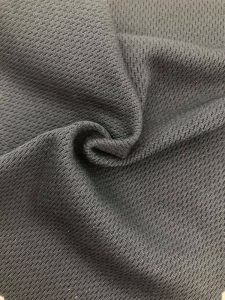
100% Polyester Recycled Fabric SK0659R-1 | Sportingtex- Knitted Fabric Supplier
Sportintex® Recycled Polyester FabricSK0659R

Nowadays, plastic bottles are the most critical issue that has environmental consequences to pollute our land and oceans. 481.6 BILLION plastic bottles were used worldwide in a year. That is 40 billion per month and 1.3 billion per year (data from H.o.W ). What can we do from these bottles? There are many advantages that can help us and our environment if we can reuse these tremendous numbers of plastic bottles smartly. One of the biggest innovations is to turn plastic bottles into fiber to make a new fabric.

How do you turn recycled plastic into fabric?

The process of making eco-friendly fabrics is simply cleaning all the collected plastic bottles. After cleaning, drying, and crushing into small chips, these chips will be melted, and then spun into fibers.

The reason why recycled fabric is sustainable

There are many garment factories, fashion brands, and yarn suppliers trying to develop more products via eco-friendly processes to make recycled fabrics. Another advantage to using recycled plastic bottles is that factories can use less water and chemical ingredients so that it can decrease the generation of greenhouse gases, such as carbon dioxide and methane.

What is “recycled polyester fabric”?

Recycled polyester is a fabric that is commonly used in the textile and apparel industry to make fabrics for sportswear and fashion apparel.

Virgin polyester fabric vs. recycled polyester fabric

  • Polyester is a synthetic material made from crude oil, lots of water, and chemicals. There is an energy-consuming process that involved high levels of pollution and chemicals during production.
  • Recycled polyester, also called rPET, it is made from raw materials, such as recycled plastic water bottles. With the processes of cleaning and melting the existing plastic bottles/boxes, then spinning them back into new polyester fibers. These fibers are used to produce recycled polyester fabric.

Use recycled polyester fabric instead of virgin polyester fabric

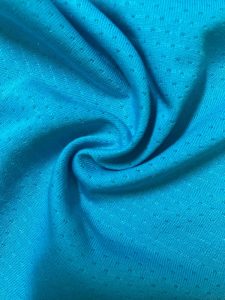
Sportingtex recycled fabric SK0468R-1
Sportintex® Recycled Polyester Fabric – SK0468R

A major benefit of using recycled polyester instead of using virgin polyester is that recycled polyester fabric provides second life and even 3rd life to non-biodegradable materials, the reduction of bottles that would eventually be in landfills or the ocean. Another benefit is the garments produced from recycled polyester fabric are sustainable and can be recycled again, and it can decrease the wastage of the quick fashion as for the current trend. Plastic bottles are reused in the fiber production process, which has a great advantage in reducing pollution to the earth, drinking water, and air. This also means that less oil is needed to produce regular polyester.

Is recycled polyester fabric the same as recycled PET fabric?

Recycled polyester is the same as recycled PET fabric. Both fabric materials are made from likewise referred to as PET (polyethylene terephthalate). PET is the most popular material to use as it is durable and very light to carry. It is widely used for packaging foods, water bottles, salad dressing cases, shampoo, and even liquid soap.

Most importantly, the cost of PET materials is very less, most companies are happy to use it to pack various products. PET materials can be turned into different forms of polyethylene terephthalate (ext. clothing fabric fiber). Recycled polyester fabric is used widely in textile industry and garment industry.

Some also call it “recycled plastic fabric”

Recycled polyester fabric is mostly made from recycled plastic bottles and plastic wastes; therefore, it is also very often to be called recycled plastic fabric. When we use plastic products, we are used to knowing it is recyclable. How do we process the recycled plastic bottles into green-friendly fabric?  

  1. The collected PET bottles are cleaned, dried, and chopped into small chips.
  2. Chips are melted and go across to a spin machine back into new fiber.
  3. The new fiber is knitted or woven into fabric.
  4. Fabric is moved forward to dye and sew with eco-friendly processes.

You can’t miss Recycled Nylon Fabric!

The feature of recycled nylon fabric is to use nylon waste that was discarded during manufacturing processes. Those nylon wastes are mostly from garment factories or weaving mills; moreover, recycled materials also can be sourced from old industrial fishing nylon nets. That is to say, it is the material made from recycled nylon that has been commercialized, consumed, and discarded.

Recycled nylon fabric has the same advantages as recycled polyester fabric. It is light, strong, and quick-drying, and is used for various items such as bags and casual wear. Nylon waste and old fishing net can be processed and transformed into a regenerated fiber, then spun the renewed fiber to become recycled nylon fabric.

Another advantage of recycled nylon fabric is that it reduces waste that causes environmental destruction. Compared to ordinary nylon, carbon dioxide emissions can be reduced by 18% by using recycled nylon as raw materials. Water also can be saved during the manufacturing of regular nylon. Large amounts of water are used for the fibers, which become a major issue of environmental contamination and pollution.

What is organic cotton fabric?

Organic cotton uses traditional methods and natural pesticides to grow cotton. Many farmers now prefer to use organic cultivation to grow cotton or crops, and most companies attempt to use organic materials to make products. Sustainable and ecological are maintained, nature cycle system is also respected as it is our responsibility.

In the past, farmers use pesticides, fertilizers, growth stimulants, or chemicals that help to grow cotton or crops to get better production to improve the quality of the cotton. As a consequence of using pesticides, soils are contaminated; not to mention the pesticides leach groundwater into the river and ocean. It is not only impactful to human life; it is also dangerous to wildlife and marine organism.

Instead of using synthetic fertilizers, the evidence shows that organic cotton is actually more valuable than conventional cotton. Organic cultivation helps to support the ECO balance between pests and beneficial insects; bio-diversity is also increased after the soil is improved.

There are various sustainable kinds of cotton available and can be defined in different ways. However, how can we tell what we are buying is grown in a sustainable method? Certified organic cotton is the best option. Organic cotton products can be tested to see if it’s actually met a fundamental definition of organic by indicators

What is the difference between cotton and organic cotton?

Two major types of techniques can be impactful to our environment to understand the difference between cotton and organic cotton.

First is water usage. Do you know how much water is used on a cotton farm? To get a better understanding, 2,700 liters of water produce the cotton needed for one t-shirt. In comparison, organic cotton only uses 243 liters of water to make one t-shirt (data from Oxwash).

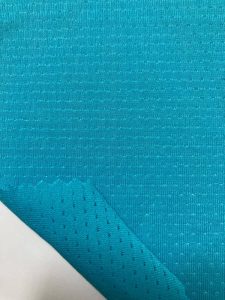
Sportintex® Recycled Polyester Fabric – SK0286R

Second is the growth of fertilizers and pesticides. Organic supporters grow cotton without using any synthetic fertilizers or pesticides; organic farmers do not use genetically modified seeds as well. Everything is using the traditional method to grow plants. As the plants become resistant to the toxin chemical, it is required more pesticides to kill the pests. It is actually that stopping using toxic chemical fertilizer help to improve the soil, it will also need less water to grow cotton after the soil becomes healthy. During the traditional growing processes, cotton will not be damaged by harsh chemicals. Therefore, organic cotton is softer than regular cotton.

Is recycled fabric eco-friendly?

Textile is considered the most polluting industry in the world. From the beginning the waste of raw material to the production like dyeing section, the processes produce toxic into our ecosystem and environment.

The 3Rs of reduced, reused, and recycled are considered to help the textile industry to reduce less impact on the environment. With 3Rs Eco practices, we can help to reduce textile waste and greenhouse gas emissions after reusing the collected plastic bottles. Recycled is potential as recycled technology turns the waste into valuable material, such as recycled fabric. The collection and conversion process of waste materials become usable and new materials. For a sustainable society, it’s an environmentally friendly approach to use waste management in a smart way rather than throwing them into landfills.

Now, most people are happy to pay more money to buy a recycled product. Through sustainable recycling, it is eco-friendly that we can preserve natural resources and reduce the damage we do to the world.

Are sustainable fabric and recycled fabric same?

Sustainable fabric and recycled fabrics both are referred to as fabric that comes from eco-friendly materials and have the same purpose to respect our earth. Sustainable fabric involves the natural concept of the environment while the recycled fabric is more relevant than reused raw materials.

Sustainable fabric is to avoid a decrease in natural resources to maintain environmental balance. Sustainable fabric comes from environmentally friendly sources, such as sustainably grown plant fiber or recycled materials. The sustainability of fabric depends on how the fabric is made.

Recycled fabric is made of recycled materials. The process of collecting and changing recycled papers, plastic bottles, fish nets, and fish scales. The textile waste from fabric production such as cotton, nylon, and other discarded fibers can be reused to create a new fabric. Recycling is mostly used from plastic products that would otherwise spend hundreds of years in landfills rather than into new products that can be used again.

Both sustainable fabric and recycled fabric are smart fabric choices for eco-conscious consumers. Our planet will pay less price if we can make more effort to decrease pollution by reducing more plastic bottles.

Where to buy recycled fabric?

sportingtex

Producing and disposing of plastic products cause subsequent environmental implications, the major contributor is climate change. Therefore, it is not only everyone’s responsibility, it is also the responsibility of global cooperation to deal with the problem of climate change.

SPORTINGTEX ® has reviewed the improvement with recycled materials suppliers and dyeing factories to minimize the impact on the environment. We develop and customized recycled fabric solutions for outdoor wear, high-end fashion, interior accessories, hospital gowns, etc. Raw materials of recycled fabric are made from recycled PET/ plastic bottles. Recycled yarn material is stable to produce fabric with excellent quality.

There are several sustainable fabric choices available in SPORTINGTEX ®.

  • Bamboo fiber fabric
  • Collagen fiber fabric
  • Organic fabric
  • Recycled fabric
  • Bamboo charcoal fiber fabric

At Sportingtex, curiosity and expertise are two important things to create fabric items and find solutions for future sustainability. All raw materials and fabric are produced in Taiwan.    

Green SPORTINGTEX®

CORE CONCEPT

The evidence of climate change &  Global Warming made us believe that it’s likely not enough to cut carbon dioxide emissions. As one of the textile industrial partners, we must focus on the materials/production processes to reduce environmental impacts. 

SPORTINGTEX® has been working on Green SPORTINGTEX® program since 2006 and following the “3R” (Recycle, Reduce and Reuse) rule in order to reduce pollutions and improve our environment.

Using technology with Recyclable materials and create more valuable fabrics became our priority, which is so important for our family’s health, living environment and our earth.

SPORTINGTEX®-cooling fabric | Far Infrared Ray | Quick Dry fabric | UV Cut Fabric | Silver Ions AntiMicrobial Textiles | Bamboo Fiber Textile | Bamboo Charcoal Fiber
SPORTINGTEX®-“3R” rule. | cooling fabric | Far Infrared Ray | Quick Dry fabric | UV Cut Fabric | Silver Ions AntiMicrobial Textiles | Bamboo Fiber Textile | Bamboo Charcoal Fiber

OUR DUTY

Over a decade, following the “3R” rule must be strictly required in the office and the factories. For instance, we have been using Cooling-Textile for the staff uniforms since we established in 2004, so that the use of air conditioning would highly reduce by 30%. Simultaneously, using Energy-Saving LED light bulb in the office technically saves 15% of electronic use last year. Besides, in the factories, facility renovation is the key point to solve the carbon dioxide emissions problem and decrease energy consumptions.

GREEN PRODUCT

Regarding to the Green products, the development of environmentally friendly fabrics based on two objectives, one of them is based on the premise of the low energy consuming process and the product itself with environmental protection.

 Such as bamboo fiber, recycled polyester fiber, organic cotton, corn fiber and polypropylene fiber, etc.

Another goal is to help users reduce energy consumption or other environmental effects by adding additional features to the fabric. Such as cooling fabric and bamboo fabric.

SPORTINGTEX® EFFORTS

CORPORATE RESPONSIBILITY

SUSTAINABLE PRODUCTS & MATERIALS

PROTECT OUR ENVIRONMENT