

Collagen Fabric: The Most Skin-Friendly Fabric

Collagen fabric is rapidly gaining recognition as one of the most skin-friendly materials available today. Infused with collagen fibers, this innovative fabric offers unparalleled softness and comfort, making it an excellent choice for individuals with sensitive or delicate skin.
Key Benefits of Collagen Fabric:
Gentle on Sensitive Skin: The collagen fibers help to soothe and protect sensitive or irritated skin, making it ideal for those with skin sensitivities.
- Gentle on Sensitive Skin: The collagen fibers help to soothe and protect sensitive or irritated skin, making it ideal for those with skin sensitivities.
- Hypoallergenic: Designed to minimize allergic reactions, this fabric is perfect for people who are prone to allergies.
- Moisture-Retaining: Collagen helps maintain the skin’s natural moisture balance, keeping it hydrated and comfortable throughout the day.
- Breathable and Lightweight: The fabric is breathable, allowing for optimal airflow and comfort, especially important in clothing and bedding.
- Safe for All Ages: Rigorously tested to ensure safety, collagen fabric is suitable for infants and individuals of all ages.
- Luxuriously Soft: The fabric’s softness provides a soothing touch, enhancing comfort and overall skin wellness.
Collagen Fabric in High-Performance Sportswear

High-performance sportswear demands fabrics that are not only durable but also comfortable and efficient at managing moisture. Collagen fabric has emerged as a groundbreaking material in the world of athletic wear. Derived from fish scales and other waste materials, collagen fabric integrates the strength and flexibility of collagen fibers with modern fabric technology, creating sportswear that supports athletes in numerous ways.
1. Superior Moisture-Wicking Capabilities
- Efficient Sweat Management: Collagen fibers quickly absorb and disperse moisture, keeping athletes dry during intense physical activities.
- Temperature Regulation: Helps maintain optimal body temperature, enhancing overall athletic performance.
- Chafing Prevention: Reduces the risk of discomfort and chafing by keeping the skin dry.
2. Natural Antibacterial Properties
- Bacteria Resistance: The natural properties of collagen fibers inhibit bacterial growth, reducing odors and skin irritations.
- Health and Hygiene: Provides a cleaner and more comfortable experience, allowing athletes to focus on their performance.
3. Enhanced Comfort
- Softness and Supple Feel: The gentle nature of collagen fibers offers a soft touch against the skin, preventing abrasions.
- Suitable for Sensitive Skin: Ideal for athletes with sensitive skin, ensuring comfort during long-duration activities.
4. Unmatched Durability
- Long-Lasting Performance: The robust molecular structure of collagen fabric enhances its tensile strength, making it resistant to wear and tear.
- Shape Retention: Maintains its shape and form even after rigorous use and frequent washing.
- Reliable Athletic Gear: Ensures longevity, providing athletes with dependable sportswear season after season.
| Property | Collagen Fabric | Traditional Synthetic Fabric |
|---|---|---|
| Moisture Wicking | High moisture absorption and quick evaporation | Varies; often less efficient |
| Antibacterial Properties | Natural antibacterial resistance | Often requires additional chemical treatments |
| Comfort | Soft and gentle on the skin | May cause irritation and discomfort |
| Durability | High tensile strength and shape retention | Prone to wear and elasticity loss over time |
| Sustainability | Eco-friendly, derived from waste materials | Typically non-biodegradable and petroleum-based |
The advent of collagen fabric in high-performance sportswear represents a paradigm shift in the industry. This innovative material not only meets the rigorous demands of athletes but also aligns with a growing emphasis on sustainability.
Conclusion on Collagen Fabric
Now that you’ve learned about the incredible benefits of collagen fabric, from its moisture-wicking capabilities to its eco-friendly production. Whether you’re an athlete seeking top-tier performance or simply someone who values comfort and sustainability, collagen fabric offers a revolutionary solution.
FAQs for Collagen Fabric
What makes collagen fabric sustainable?
Collagen fabric is sourced from collagen fibers, which are often derived from by-products of the food industry such as fish scales. This repurposing helps in reducing waste and provides an eco-friendly alternative to traditional synthetic fibers. Additionally, collagen fibers are biodegradable, ensuring minimal environmental impact when the fabric reaches the end of its lifespan.
Is collagen fabric suitable for sensitive skin?
Yes, collagen fabric is highly suitable for sensitive skin. Collagen itself is a protein that is compatible with human skin, offering exceptional comfort and reducing the likelihood of skin irritation or allergic reactions. This property makes it ideal for use in garments that come into direct contact with the skin, such as underwear, baby clothing, and healthcare textiles.
How does collagen fabric perform in high-performance sportswear?
Collagen fabric enhances high-performance sportswear by offering a combination of breathability, moisture-wicking, and anti-bacterial properties. The nature of collagen fibers allows the fabric to regulate temperature and manage sweat efficiently, while its inherent anti-bacterial properties help maintain freshness. This makes it an exceptional choice for active wear designed for athletes and fitness enthusiasts.
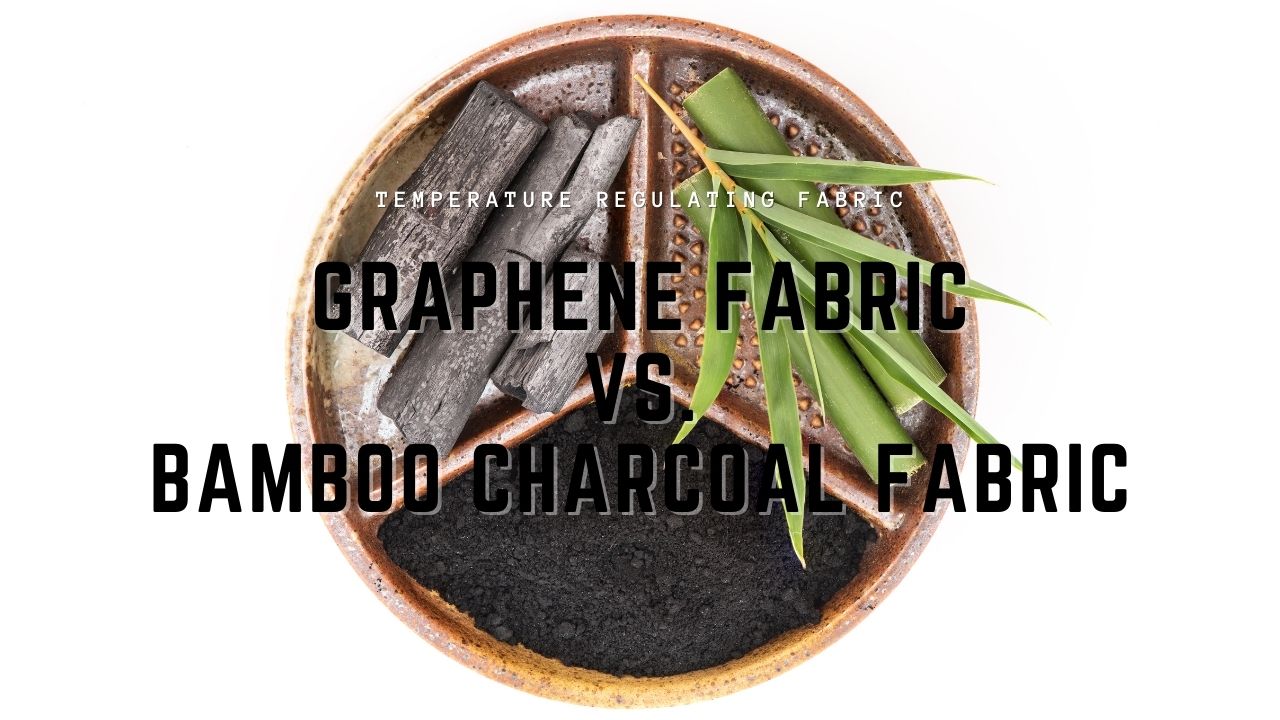
Graphene Fabric vs. Bamboo Charcoal Fabric | Temperature Regulating Fabric
What Is Graphene?
The simplest approach to understanding graphene is to think of it as thin graphite, a carbon; a sheet-like substance used in pencil lead. Graphene is one of the allotropes of the chemical element “H” known as carbon. It has the same atoms, but they are arranged differently, giving the material different properties. For instance, both carbon and graphite are forms of carbon, but they have very different properties and characters. carbon is very strong, while graphite is brittle. The atoms of graphene are bonded together and repeated in hexagonal patterns.
A single layer of carbon atoms makes up the strong and long-lasting substance known as graphene. Because of the tight chemical links between these atoms, graphene is 200 times stronger than steel.
It is now the newest substance in recent years and involves textile technology with great properties for its mechanical and functional capabilities. It is getting a lot of attention in the textile industry as the result has shown positive performance even for simple daily wearing.
How Does Graphene Fabric Work?
Graphene nanoparticles are processed and embedded into the fiber, the graphene fibers spin into the fabric. Athletic companies and clothing brands could customize the graphene fabrics for wearing products, mainly to enhance the greatest level of sports performance.
Graphene fabrics make it a perfect material for various types of fabrics and garments. SPORTINGTEX® has been working on developing fibers that are composed of graphene. Now that we are aware of the applications of graphene in clothing, it is time to see how this marvelous substance can improve a common fabric.
What Are the Benefits of Graphene Fabric?
Graphene is a great material to improve a piece of clothing due to its high thermal and electrical conductivity. Sports, outdoor, maternity, and smart clothing items can benefit from good heat retention properties and electrical conductivity. The material functions as a filter between the skin and the environment, releasing heat in warm weather and retaining and distributing body heat evenly in colder climates. While remaining breathable and comfortable, textiles with graphene enhancements have the potential to support the way our bodies naturally regulate their internal temperatures.
There are three major characteristics that we benefit from graphene fabric:
- High resistance to electrical and conductivity: A naturally conductive substance is graphene. Electric charges are dispersed when the layers of graphene are applied, preventing the electric charges from building up on the surface.
- Thermoregulation: When encountering variations in the temperature or physical exercise, graphene can maintain a steady body temperature with no significant thermal change.
- Anti-odor: Graphene nanoparticles offer outstanding anti-odor properties and are free of toxicity.
Graphene fabric reduces tension with better conductivity; aids in removing negative energy and static electricity from the body.
Use of Graphene Fabrics
Graphene fabric is considered a future textile due to its strongest and most flexible characteristics. The use of graphene fabrics is not only for sportswear and outdoor wear there are also a wide number of industries including home accessories, health care, electronics, energy, and military, that started influenced by graphene substance.
In textile industries, the inner of graphene coats, gloves, pants, basic items like t-shirts and leggings, and several other winter apparel can all be made from graphene materials. Numerous suppliers of graphene have developed fibers that can combine with different fibers according to customers’ needs. Graphene fabrics have flexible characteristics that we can customize the fabric with the antibacterial and same time with quick dry properties.
A fabric made from such a sophisticated fiber with thermal qualities offers the perfect fabric for creating a variety of garments since it serves as a great replacement for metal sensors.
How Much Is Fabric Graphene per Yard?
Pricing today for graphene fabrics ranges depending on the quality of fabric structure, percentage of graphene fiber, and volume of purchase. The wide variance in the price range of the market is mainly because not all graphene fabrics require the highest quality contents of graphene. For instance, some customers need a lower percentage of graphene yarn for their selling purpose while other customers require a higher percentage of graphene yarn for professional athletes. SPORTINGTEX® will help to find the most suitable graphene fabric and assist with the price according to the needs.
Graphene Fabric for Sale
SUN DREAM ENTERPRISE CO. LTD. (SPORTINGTEX®) is a fabric manufacturer that locates in Southern Taiwan, graphene fabrics are one of the functional fabrics for supplying. As a graphene fabric manufacturer, we offer graphene fabrics with different fabric structures, fabric patterns, and fabric weights.
Our graphene fabrics are using nano-technology to process the graphene into powder, and the graphene powder adds directly into the fiber. Graphene-embedded textiles are the potential for wearable technologies, particularly, the function will never be washed away from the fiber.
SPORTINGTEX® is committed to protecting the environment and continuously creating eco-friendly products according to global environmental regulations. In keeping with the idea of responsibility for life, we concentrate on the creation of health protection products to prevent potential risks to the human body.
What is recycled fabric made from? Can be polyester/PET, cotton, nylon…
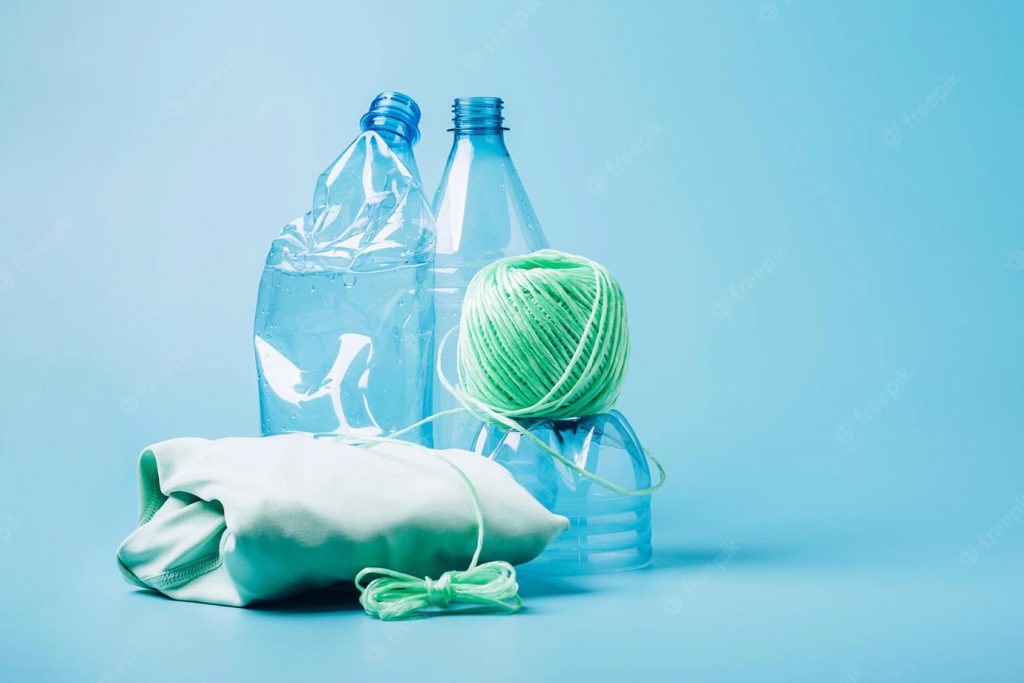
Have you heard of recycled fabric? Do you know the use of recycled fabrics is increasing in different areas across the world, including fashion industry, interior design industry, car industry, medical fields, etc.? Sportingtex® has profound experience manufacturing recycled textiles and we keep improving fabric quality to offer the clients diverse designs of recycled fabrics. We’d like to share the experience that we explored during the development of recycled fabrics and will help you understand how we process the wastes into green textiles.
What is the meaning of recycled fabric?
Recycling has become common sense to be considered to be an environment-friendly routine. The meaning of recycled fabric is the fabric that it is made from recycled materials to refine a new valuable item.
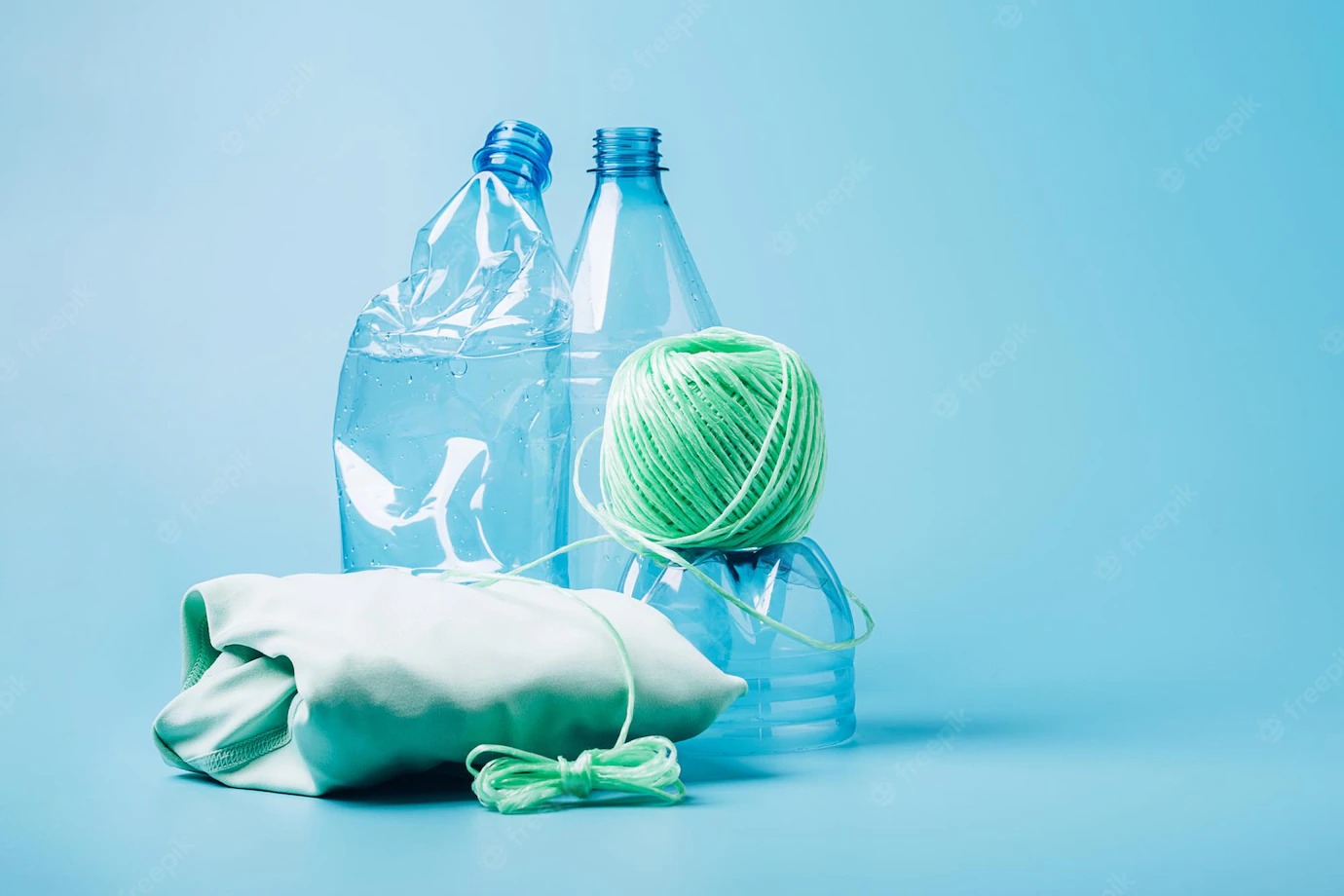
What are the recycled materials that we can use to make fabric? Surprisingly, the garbage or wastage we dumped into the trash every day can be recycled, reused, and re-created. Therefore, trashes like clothing waste, food waste (such as fish scales) and plastic bottles are major types of materials that can be reused by using simple technological processes to produce recycled fabrics.
Nowadays, plastic bottles are the most critical issue that has environmental consequences to pollute our land and oceans. 481.6 BILLION plastic bottles were used worldwide in a year. That is 40 billion per month and 1.3 billion per year (data from H.o.W ). What can we do from these bottles? There are many advantages that can help us and our environment if we can reuse these tremendous numbers of plastic bottles smartly. One of the biggest innovations is to turn plastic bottles into fiber to make a new fabric.
How do you turn recycled plastic into fabric?
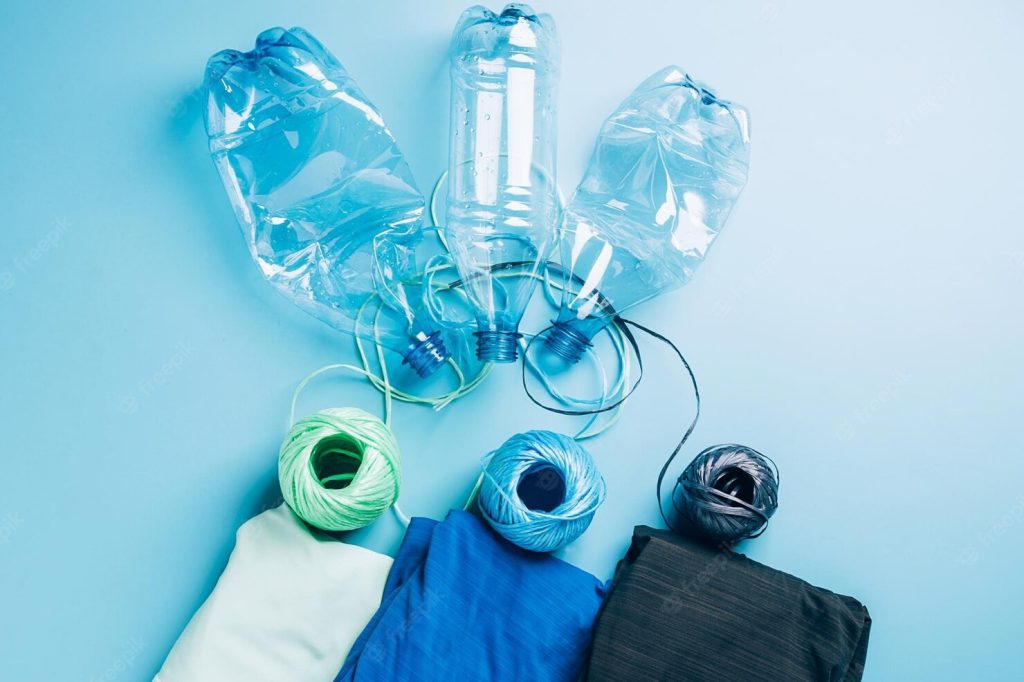
The process of making eco-friendly fabrics is simply cleaning all the collected plastic bottles. After cleaning, drying, and crushing into small chips, these chips will be melted, and then spun into fibers.
The reason why recycled fabric is sustainable
There are many garment factories, fashion brands, and yarn suppliers trying to develop more products via eco-friendly processes to make recycled fabrics. Another advantage to using recycled plastic bottles is that factories can use less water and chemical ingredients so that it can decrease the generation of greenhouse gases, such as carbon dioxide and methane.
What is “recycled polyester fabric”?
Recycled polyester is a fabric that is commonly used in the textile and apparel industry to make fabrics for sportswear and fashion apparel.
Virgin polyester fabric vs. recycled polyester fabric
- Polyester is a synthetic material made from crude oil, lots of water, and chemicals. There is an energy-consuming process that involved high levels of pollution and chemicals during production.
- Recycled polyester, also called rPET, it is made from raw materials, such as recycled plastic water bottles. With the processes of cleaning and melting the existing plastic bottles/boxes, then spinning them back into new polyester fibers. These fibers are used to produce recycled polyester fabric.
Use recycled polyester fabric instead of virgin polyester fabric
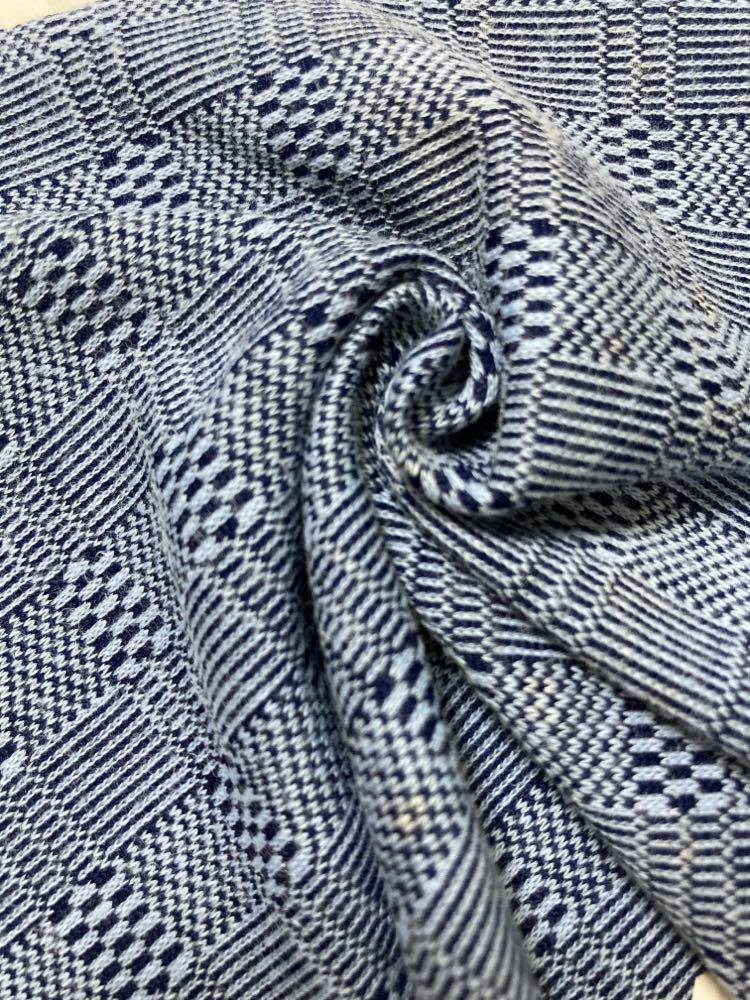
A major benefit of using recycled polyester instead of using virgin polyester is that recycled polyester fabric provides second life and even 3rd life to non-biodegradable materials, the reduction of bottles that would eventually be in landfills or the ocean. Another benefit is the garments produced from recycled polyester fabric are sustainable and can be recycled again, and it can decrease the wastage of the quick fashion as for the current trend. Plastic bottles are reused in the fiber production process, which has a great advantage in reducing pollution to the earth, drinking water, and air. This also means that less oil is needed to produce regular polyester.
Is recycled polyester fabric the same as recycled PET fabric?
Recycled polyester is the same as recycled PET fabric. Both fabric materials are made from likewise referred to as PET (polyethylene terephthalate). PET is the most popular material to use as it is durable and very light to carry. It is widely used for packaging foods, water bottles, salad dressing cases, shampoo, and even liquid soap.
Most importantly, the cost of PET materials is very less, most companies are happy to use it to pack various products. PET materials can be turned into different forms of polyethylene terephthalate (ext. clothing fabric fiber). Recycled polyester fabric is used widely in textile industry and garment industry.
Some also call it “recycled plastic fabric”
Recycled polyester fabric is mostly made from recycled plastic bottles and plastic wastes; therefore, it is also very often to be called recycled plastic fabric. When we use plastic products, we are used to knowing it is recyclable. How do we process the recycled plastic bottles into green-friendly fabric?
- The collected PET bottles are cleaned, dried, and chopped into small chips.
- Chips are melted and go across to a spin machine back into new fiber.
- The new fiber is knitted or woven into fabric.
- Fabric is moved forward to dye and sew with eco-friendly processes.
You can’t miss Recycled Nylon Fabric!
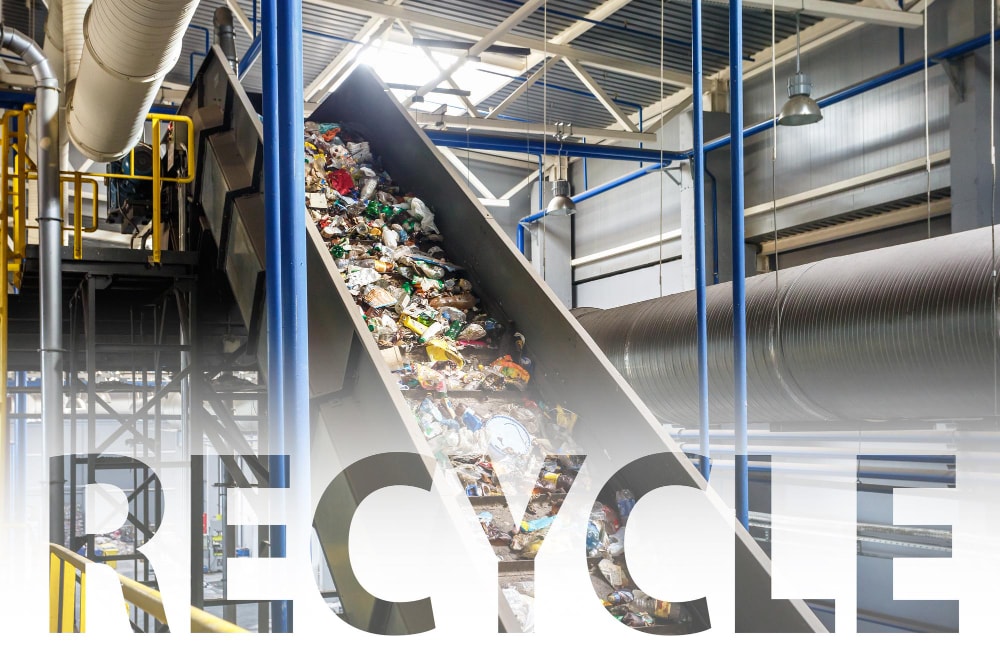
The feature of recycled nylon fabric is to use nylon waste that was discarded during manufacturing processes. Those nylon wastes are mostly from garment factories or weaving mills; moreover, recycled materials also can be sourced from old industrial fishing nylon nets. That is to say, it is the material made from recycled nylon that has been commercialized, consumed, and discarded.
Recycled nylon fabric has the same advantages as recycled polyester fabric. It is light, strong, and quick-drying, and is used for various items such as bags and casual wear. Nylon waste and old fishing net can be processed and transformed into a regenerated fiber, then spun the renewed fiber to become recycled nylon fabric.
Another advantage of recycled nylon fabric is that it reduces waste that causes environmental destruction. Compared to ordinary nylon, carbon dioxide emissions can be reduced by 18% by using recycled nylon as raw materials. Water also can be saved during the manufacturing of regular nylon. Large amounts of water are used for the fibers, which become a major issue of environmental contamination and pollution.
What is organic cotton fabric?
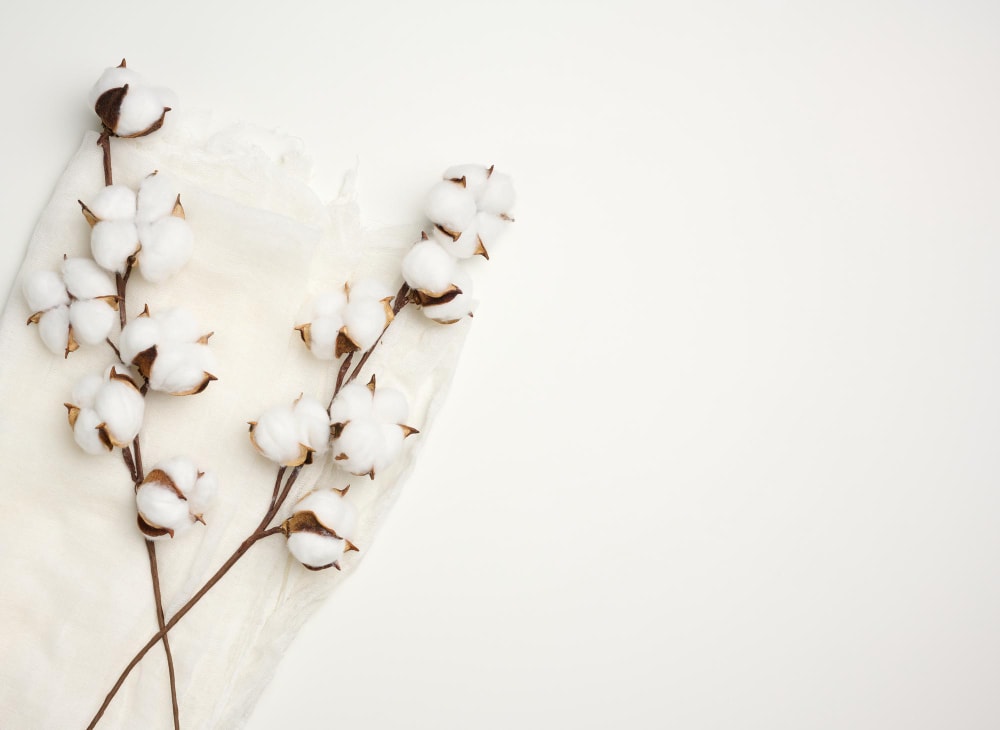
Organic cotton uses traditional methods and natural pesticides to grow cotton. Many farmers now prefer to use organic cultivation to grow cotton or crops, and most companies attempt to use organic materials to make products. Sustainable and ecological are maintained, nature cycle system is also respected as it is our responsibility.
In the past, farmers use pesticides, fertilizers, growth stimulants, or chemicals that help to grow cotton or crops to get better production to improve the quality of the cotton. As a consequence of using pesticides, soils are contaminated; not to mention the pesticides leach groundwater into the river and ocean. It is not only impactful to human life; it is also dangerous to wildlife and marine organism.
Instead of using synthetic fertilizers, the evidence shows that organic cotton is actually more valuable than conventional cotton. Organic cultivation helps to support the ECO balance between pests and beneficial insects; bio-diversity is also increased after the soil is improved.
There are various sustainable kinds of cotton available and can be defined in different ways. However, how can we tell what we are buying is grown in a sustainable method? Certified organic cotton is the best option. Organic cotton products can be tested to see if it’s actually met a fundamental definition of organic by indicators
What is the difference between cotton and organic cotton?
Two major types of techniques can be impactful to our environment to understand the difference between cotton and organic cotton.
First is water usage. Do you know how much water is used on a cotton farm? To get a better understanding, 2,700 liters of water produce the cotton needed for one t-shirt. In comparison, organic cotton only uses 243 liters of water to make one t-shirt (data from Oxwash).
Second is the growth of fertilizers and pesticides. Organic supporters grow cotton without using any synthetic fertilizers or pesticides; organic farmers do not use genetically modified seeds as well. Everything is using the traditional method to grow plants. As the plants become resistant to the toxin chemical, it is required more pesticides to kill the pests. It is actually that stopping using toxic chemical fertilizer help to improve the soil, it will also need less water to grow cotton after the soil becomes healthy. During the traditional growing processes, cotton will not be damaged by harsh chemicals. Therefore, organic cotton is softer than regular cotton.
Is recycled fabric eco-friendly?

Textile is considered the most polluting industry in the world. From the beginning the waste of raw material to the production like dyeing section, the processes produce toxic into our ecosystem and environment.
The 3Rs of reduced, reused, and recycled are considered to help the textile industry to reduce less impact on the environment. With 3Rs Eco practices, we can help to reduce textile waste and greenhouse gas emissions after reusing the collected plastic bottles. Recycled is potential as recycled technology turns the waste into valuable material, such as recycled fabric. The collection and conversion process of waste materials become usable and new materials. For a sustainable society, it’s an environmentally friendly approach to use waste management in a smart way rather than throwing them into landfills.
Now, most people are happy to pay more money to buy a recycled product. Through sustainable recycling, it is eco-friendly that we can preserve natural resources and reduce the damage we do to the world.
Are sustainable fabric and recycled fabric same?
Sustainable fabric and recycled fabrics both are referred to as fabric that comes from eco-friendly materials and have the same purpose to respect our earth. Sustainable fabric involves the natural concept of the environment while the recycled fabric is more relevant than reused raw materials.
Sustainable fabric is to avoid a decrease in natural resources to maintain environmental balance. Sustainable fabric comes from environmentally friendly sources, such as sustainably grown plant fiber or recycled materials. The sustainability of fabric depends on how the fabric is made.
Recycled fabric is made of recycled materials. The process of collecting and changing recycled papers, plastic bottles, fish nets, and fish scales. The textile waste from fabric production such as cotton, nylon, and other discarded fibers can be reused to create a new fabric. Recycling is mostly used from plastic products that would otherwise spend hundreds of years in landfills rather than into new products that can be used again.
Both sustainable fabric and recycled fabric are smart fabric choices for eco-conscious consumers. Our planet will pay less price if we can make more effort to decrease pollution by reducing more plastic bottles.
Where to buy recycled fabric?

Producing and disposing of plastic products cause subsequent environmental implications, the major contributor is climate change. Therefore, it is not only everyone’s responsibility, it is also the responsibility of global cooperation to deal with the problem of climate change.
SPORTINGTEX ® has reviewed the improvement with recycled materials suppliers and dyeing factories to minimize the impact on the environment. We develop and customized recycled fabric solutions for outdoor wear, high-end fashion, interior accessories, hospital gowns, etc. Raw materials of recycled fabric are made from recycled PET/ plastic bottles. Recycled yarn material is stable to produce fabric with excellent quality.
There are several sustainable fabric choices available in SPORTINGTEX ®.
- Bamboo fiber fabric
- Collagen fiber fabric
- Organic fabric
- Recycled fabric
- Bamboo charcoal fiber fabric
At Sportingtex, curiosity and expertise are two important things to create fabric items and find solutions for future sustainability. All raw materials and fabric are produced in Taiwan.


2022 The Warmest Fabric to Wear this Winter-Far Infrared Radiation Thermal Fabric

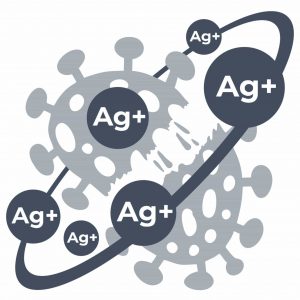
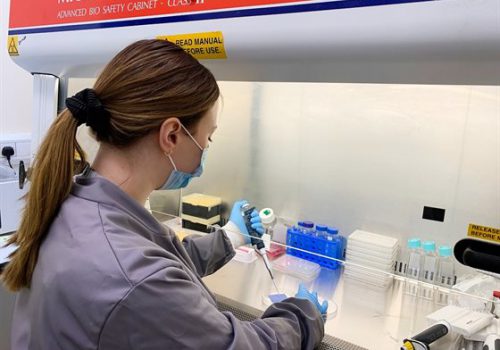
What is Silver Ion Antimicrobial Fabric? Why Do You Need It When The Coronavirus Pandemic (COVID-19) Is Raging?




Dairy Cattle in SPORTINGTEX® Cooling Fabric Results in Amazing Experiment
SPORTINGTEX®
According to NOAA’s 2020 climate report, the Earth’s average temperature is about 15C and has been much higher in the past, temperatures are now rising faster than before. We, all living beings are suffering the consequence of the civilization and convenient life we have created.
Now we are all facing the crisis with dramatic climate change and it’s our biggest challenge we must respond this century.
Using technology properly, we can help our earth to decrease CO2. For instance, fabric makes users feel 1~2℃ lower than regular fabric in the same condition, therefore, the air conditioner can be adjusted 1~2 ℃ higher to save energy.
Cooling textile is a major product that benefits not only our life, but also helps all living creatures to deal with the high-temperature environment.
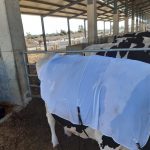
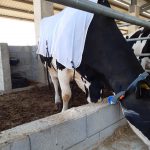
Dairy cattle encounter extremely hot weather and gradually affect the milk quality. Customer of Sportingtex uses our cooling fabrics to make a cooling blanket for dairy cattle. Below photos present the temperature difference while wearing. Not to mention the fabric includes wicking-moisture management to keep dairy cattle feel dry and comfortable.




Taiwan Textiles – Sustainable Innovation (TTF)